

Episode 203:
Building a Direct Care Rheumatology Practice with Dr. R. Michelle Koolaee
WITH DR. TEA
·
DIRECT CARE PODCAST FOR SPECIALISTS
·
WITH DR. TEA · DIRECT CARE PODCAST FOR SPECIALISTS ·
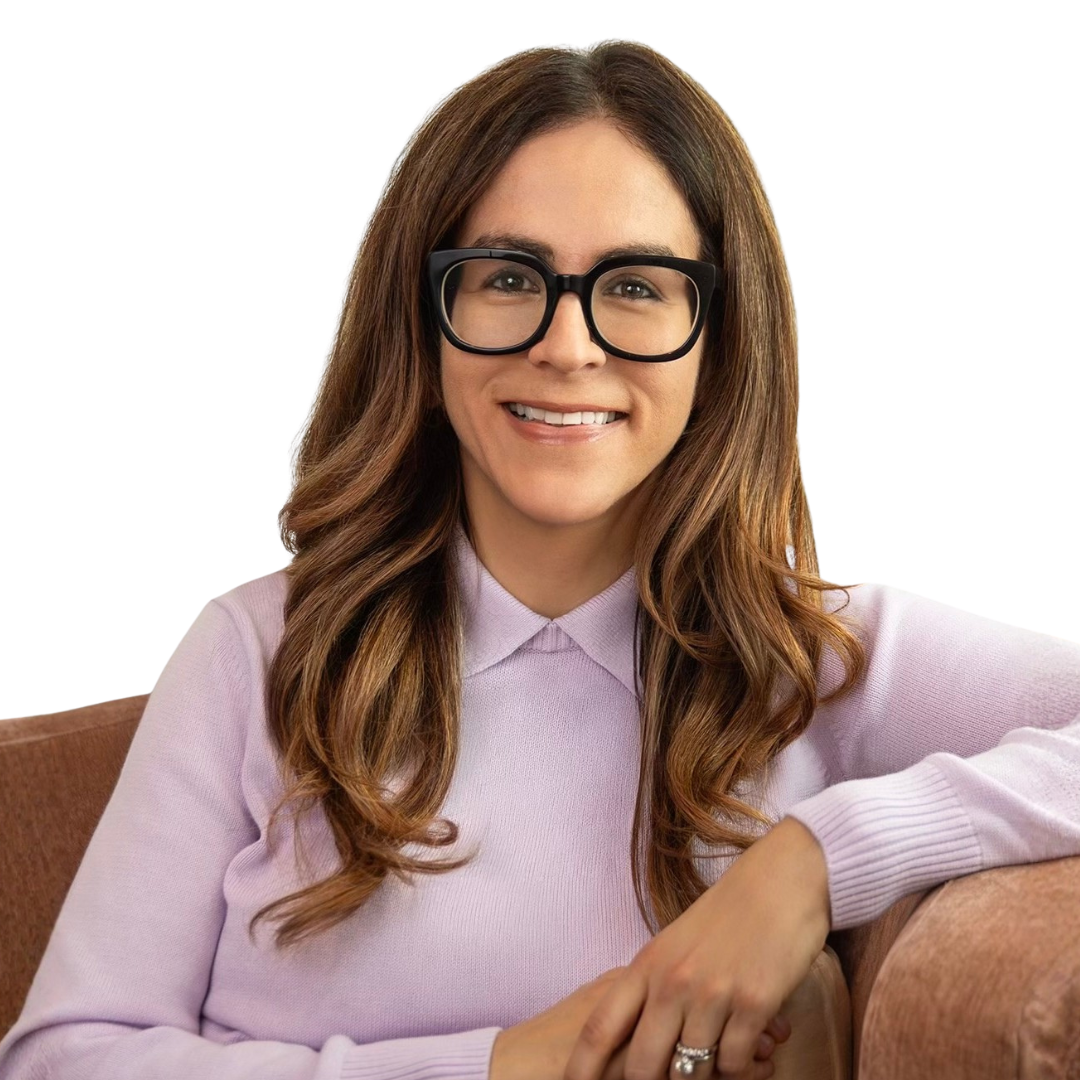
Direct Care Rheumatology with Dr. R. Michelle Koolaee
What you'll learn in this episode:
Dr. Koolaee’s journey from traditional rheumatology to direct care.
How she structures her practice and tailors care to patients.
Offering both pay-per-visit and membership options.
Mindset shifts and overcoming challenges in building a direct care practice.
And much more!
Here's how to connect with Dr. R. Michelle Koolaee
Find her on:
Email: michelle@drrmichellekoolaee.com
Website: https://www.drrmichellekoolaee.com
Free Newsletter: https://mailchi.mp/drrmichellekoolaee/subscribe
Dr. R. Michelle Koolaee: Redefining Rheumatology Through Direct Care
“It just wasn’t working for people. The traditional system didn’t allow me to provide the care my patients truly needed.” — Dr. R. Michelle Koolaee
After more than a decade practicing in academic and multi-specialty settings, Dr. R. Michelle Koolaee realized the traditional healthcare model wasn’t serving her patients — or her. Short, insurance-driven appointments left little time for the nuanced care rheumatology requires.
Seeking a better way, Dr. Koolaee turned to direct care, a model that prioritizes patient relationships over insurance constraints. “Direct care gave me the freedom to truly partner with my patients in their health journey,” she shares on The Direct Care Podcast for Specialists.
In her Pasadena practice, Dr. Koolaee offers extended consultations, flexible follow-ups, and membership plans for patients needing ongoing support. This structure allows her to provide care that is thorough, personalized, and responsive — something often missing in traditional settings.
“I can finally provide care that feels like care again,” she says.
Even early in her transition, Dr. Koolaee discovered key lessons: patients value quality and continuity, digital presence matters for discovery, and boundaries are essential to sustainable practice. Support — from staff, family, and community — has also been critical.
For physicians hesitant about leaving traditional practice, Dr. Koolaee’s advice is clear: know your worth and embrace a model that allows you to practice medicine as it was meant to be.
“Direct care isn’t just a business model — it’s a chance to rediscover why you became a doctor,” she says.
TRANSCRIPT:
Dr. Tea Nguyen (00:53.998)
Dr. Michelle Koolaee, who is here with me. She is a direct care rheumatologist. Welcome to the podcast.
Dr. Michelle Koolaee (01:00.994)
Thank you so much, Dr. Nguyen, for having me. I'm so excited to be here.
Dr. Tea Nguyen (01:04.704)
I'm excited that you're here. Wasn't there a rheumatology conference that was just recently, was it in Houston? Did you go to that?
Dr. Michelle Koolaee (01:13.16)
I went the most recent one was just like about last week in Chicago. So I unfortunately was not able to make it, but hopefully when they have it on the West Coast, I definitely
Dr. Tea Nguyen (01:26.06)
Yeah, the reason why I bring up the one in Houston is because the Direct Specialty Care Alliance showed up too. And so there was conversations around direct care even more so than before. And I feel like we're just exponentially growing. It's not linear, but it's exponential, the interest of doctors who want this model. And so I'm glad you're here to share what's going on with you. So tell us a little bit about why you chose direct care.
Dr. Michelle Koolaee (01:51.79)
So I chose direct care. I've been practicing rheumatology for over 12 years now here in the LA area. And it happened really pretty organically for me. I had done academics for quite some time. I was in two large multi-specialty groups for a long time as well. And I just was seeing that the current model, it just wasn't working for people. the 15-minute appointments in rheumatology just really was barely scratching the surface of the level of care that rheumatology patients needed. And so I think that there was just this moment in my career where I was just seeing people suffering and I felt very out of control, meaning that I didn't, I couldn't manage, they kept adding new patients onto my schedule and the demands, was like seeing people during lunch, during before clinic, after clinic.
Dr. Michelle Koolaee (02:48.47)
And it just seemed like it wasn't, there was no end and it didn't seem like I had any say in that. So yeah, I think I just had this moment the end of last year where I said, well, I love rheumatology. I love what I do. I'm very good at it. That in order for me to continue care and practicing rheumatology, the care model needs to change. And you are one of the people I mentioned before we started recording to think because I sincerely was just kind of struggling over the summer of like, where do I go? What's my next step? And I think your podcast was like a pivot point for me and transitioning and just kind of getting into the mindset of direct care. And then, so I left my practice, like the end of like really from the ground up building this practice, which has been really fun and beautiful to see evolving.
Dr. Michelle Koolaee (03:44.47)
It's only been six and a half months, so it's still very early in the journey. But as you can appreciate, it's like a continual growth. you have this freedom to practice the way that you see is best for the people that you're taking care of.
Dr. Tea Nguyen (04:01.964)
Yeah, so take us into the steps that you took to start your direct care practice. You came from, was it an employed situation or did you own the previous practice?
Dr. Michelle Koolaee (04:14.03)
So I was part of the large multi-specialty group here in Southern California. And so it was, and they're a great company. have pretty much every specialty. They own a couple of hospitals here as well. So I was a salaried employee for a very long time. And I actually helped to build that practice when they didn't have any rheumatologists in the neighborhood.
Dr. Michelle Koolaee (04:40.29)
So that's where I was for six years. I was practicing there for six years prior to making this transition.
Dr. Tea Nguyen (04:48.248)
So now that you've had your direct care practice, been six months, what was new and different for you? What did you have to adopt in order to have this type of practice?
Dr. Michelle Koolaee (04:59.406)
Yeah, that's a great question. I think many things were new and I think that it's, I think number one would be mindset, would be just having, it's a completely different mindset of, of not being okay with not having control over every last element and having it be like perfect when you, when you kind of open. And I think that it was through, listening to podcasts, talking to others, people that inspired me, that motivated me of just recognizing that, okay, well, you start, you do the best you can with at that moment. You put out the best product at that moment, but you strive to improve and you grow and it only gets better. But that takes time to kind of settle in with that and have that be the norm. And so I think that that was the one of the biggest things to kind of adjust to.
Dr. Michelle Koolaee (05:54.506)
And I think probably the second biggest thing is that it is, things don't have to be perfect. I think it's just that, again, just kind of being very flexible and recognizing that it's just, it's like a gross mindset, like you're continuously learning and growing and that doing things out of your comfort zone, I think also is, was a really big transition.
And the more that you are doing things that are out of your comfort zone, then it becomes your comfort zone. And I did, I do feel, I do believe in that. And I feel like it's nice then again, just six or seven months in just feeling much different mindset wise than I did for a long time, just practicing in like a traditional model.
Dr. Tea Nguyen (06:45.912)
So what were some of the uncomfortable things you just had to do?
Dr. Michelle Koolaee (06:49.912)
So I think that number one was, you're so used to being like when you're a salaried employee, like you're just focused on medicine, right? Like you're just thinking about diagnoses, treatment, how am going to get through all these tasks? How am going to see all these patients that you're not really, you're like so shielded from, you don't know the financial part, right? Like you're not. And so I think that it's about figuring out what is my value.
What am I providing? And what are the price points that I feel that reflect what I'm giving and the service that I'm providing? And that is fair. And so I think it's just like talking about financial was just kind of like felt like weird at first. like even, and my husband's seven years older than me and he's like super supportive and like I couldn't have done this without him, right? But then, and he's very forward and just kind of And so he was like, you have to just, just ask about just, you know, this is normal. It's not, don't be weird about it. But I do feel like it just felt awkward, like for, for the longest time at the beginning. But now that you realize, okay, you're practicing, it's like you're providing service.
How is this different from like other, there's so many other businesses where they're providing a service and that. that there's a fee for the service and people are comfortable with there's people are paying for services all the time. How is this different? And I have you to think and your podcast to think, because I think that again, that's just like a shift in mindset of like, well, we're providing service, right? And so why would it be different?
Dr. Tea Nguyen (08:28.632)
Totally. You're right about us being shielded from the financials and being shielded disempowered us from knowing our own value. So we don't know what the delivery of our care is costing people. So oftentimes I find doctors heavily undercharged because we just, it's not that we don't know better. We just don't have the training to do that. That's all it is. You go into different industries, like going to law school, they always talk about billable time. That was never part of my vocabulary. Billable time, what is that? Like can bill for my time because we're forced to do stuff after hours like charting and let's just add another patient. know, our value is based on RVUs. The more you see, the more valuable you are to the system. And even as surgeons, gotta rant on this one because the most highly valued surgeons are the ones who generate the most for the hospital. And those are the people who can kick off us little guys off the surgery schedule at any moment's notice because that's how they're valued. And I think that's really bizarre because the surgeon is a surgeon, a doctor is a doctor, right? But that's how the system disempowers us to think that you're only valuable if you're productive. And I feel like that's just so harmful because productivity means you got to see lots of patients. And each and every year as reimbursement goes down, we're getting paid less for that. And so now we've got to chase our tails and see more and more and more.
I'm really glad you shared with us that it is a growth mindset, that it's not about perfection, and that you were able to just get through that. So in your first six months, how did you decide on what model you wanted to do? Pay per visit versus a membership? Do you have both? What does that look like?
Dr. Michelle Koolaee (10:10.582)
Great, yes. I have consultations and follow-ups, again, created because not all patients that are seen by rheumatologists need ongoing care. So the initial consultation...
I actually review their charts and their labs and records, whatever's needed to prepare for the visit. So I explain it's like a two-part visit. The visit itself is an hour. And then I provide 15 days of continued support after the day of the consultation, because inevitably I'm ordering additional labs and diagnostic tests. We need that time to fine tune care. So it's kind of like a multi-part visit for the consult.
Dr. Michelle Koolaee (10:55.81)
And, and that was, it's pretty standard too, cause like with rheumatology, we are like putting jigsaw puzzle together, jigsaw puzzles together in terms of assessing people's symptoms. And it really takes time to kind of get enough information to be able to fine tune care. So the initial consultation requires a lot of time. and then the followup visits, which are 30 minutes are billed accordingly.
Dr. Michelle Koolaee (11:20.522)
And so some people just need to see me depending on like if it's osteoporosis or you know, an abnormal lab, like it really is just all of that can be addressed in kind of the visits and you don't need me in between the time period and between appointments. Now, many people too that see rheumatologists require continued support on an ongoing basis because the nature of their disease, it's flaring, it's irregularly flaring, it's kind of like a roller coaster. The meds are just constantly at the beginning, especially in flux. And so I do have membership-based care plans on a six-month and 12-month basis that is like a one-time fee that covers all the care essentially that they need during that time so that we're kind of freely communicating. We're texting, we're messaging. Even before on this call today, it's just like I have a HIPAA compliant texting platform, we're texting.
Dr. Michelle Koolaee (12:19.682)
We're calling, it just feels free to be able to like really take care of one's health without just, without it, like every visit being like, okay, well, you know, just it's like very transparent, basically the, the fee. So I initially, created like an annual membership, but then I was realizing that, you know, people's needs, have the ability to, in this care model to tailor the supports. And for some people. The six month was more appropriate because they might not need me as much after. And so I think that it's, it's kind of a continued evolution. I have to say.
Dr. Tea Nguyen (12:58.491)
How do you present this to the patients? Are they already asking for long-term care?
Dr. Michelle Koolaee (13:03.818)
So I like they'll initially they'll either call in or I do have information calls just to kind of discuss their care and get a better understanding about where my services come in. But typically by the first consultation, I'll have an idea of whether or not their care necessitates membership. And as I've even in this short period, the six months, I think it's like, gotten even crisper the ability to kind of distinguish really who truly their care benefits from that close monitoring and whose care is just, it's not necessary for like, you don't need me again that much in between the appointments. And so I'm very open and, and, you know, just let them know that. And I think that it's been received pretty well. I think that it is just on a case by case basis, like who's whose health wants membership.
Dr. Tea Nguyen (14:03.07)
What do you answer patients' questions like, well, what if I need medications? Can you prescribe that or imaging? How do you work with insurance?
Dr. Michelle Koolaee (14:12.526)
So I always mention, and this comes up when they, like our very first conversation is they, always mention that I am a direct care physician and that in order to be able to see them in a couple of days, which is generally my availability, definitely less than a week for initial consultation, that I don't contract with insurance directly for office visits. That being said, if there are medications that are ordered, if there are labs diagnostic tests, that all goes through their health insurance exactly the same. And so most people, that statement is pretty clear. so they are, that's how I explain it to them.
Dr. Tea Nguyen (14:58.542)
What has surprised you so far? Because I know we're going to be surprised a little bit more in business ownership. But in this model, what has surprised you so far?
Dr. Michelle Koolaee (15:08.334)
I have to say that I felt this because this was out of my comfort point maybe a year and a half ago. Like I wasn't, I didn't see myself necessarily opening up a practice. Like my dad was a cardiologist and he had his own practice and I just it was never like my mission. But again, it happened organically. But what surprised me I'd have to say is that the like the fact that people really do value their health and they're willing to pay for good quality healthcare. I think that it's because direct care is still, it's progressive. I agree with you that it's going to be growing. I still think it's like very kind of amazing and surprising that
Dr. Michelle Koolaee (16:03.146)
Yeah, like this, people love this. just had someone this morning just like just it really did my ability to see her quickly address her concerns quickly. Again, it was just kind of like none other. She was like, it's really amazing what you're what you've created and that I'm like, I'm just doing what I've been doing for a long time. Just the platform is different, but it is just it feels nice and it's kind of I guess
Dr. Michelle Koolaee (16:32.438)
It's surprising that, wow, there is a need for this for more of us, right? It's not just rheumatology. It's all different specialties that people are yearning it. It's just, and they want better care and they're willing to, and it's a value for them to pay for it.
Dr. Tea Nguyen (16:51.042)
How do patients hear about you? What is your marketing strategy? Do you have a marketing strategy?
Dr. Michelle Koolaee (16:57.012)
Yeah. So I think at the very beginning, like very, very beginning, this is like an example of like the evolution where like, you know, I have Instagram, social media kind of was playing around and kind of posting. And that really is not as it's, I think it's important, but not as important as right now. I do have Google ads and I think that a lot of people are finding me online.
Dr. Michelle Koolaee (17:22.038)
I think that now through the power of AI, it's like making sure that you're AI searchable so that when people are going and they're asking their questions, where can I find a rheumatologist? I'm having these symptoms. Who should I see locally? I'm, I'm adding to my website and sort of building the website. And like I started a blog just like a couple of weeks ago, which is actually quite fun to write blogs. it's so that people, I'm more searchable through the internet. mean, I think that many people are finding me through there
Dr. Tea Nguyen (17:48.43)
AI is a new tool that I don't know how to be AI searchable. So like how is AI searchable different from Google searchable or is it different?
Dr. Michelle Koolaee (18:03.502)
So a great question. So from my understanding is that AI, when we plug stuff into AI, it's like question-based, like we're trying to get answers to questions. And so what makes it searchable is that like when you write a blog or you, know, however they're pulling it from your website, if it's phrased in the way that makes it searchable so that AI can find the answer, then that's kind of a way that it you become more present in the AI space. but, but yeah, I don't pretend to fully understand all of us like SEO still seems very abstract to me, but I think it's, I do find that right now, again, people are finding me through AI through their online searches.
Dr. Tea Nguyen (18:57.058)
Yeah, that's I did have a patient come in and said, I mentioned you. I'm like, what did I do to get there? So, yeah, I don't know much about SEO. I do know that the blogs are valuable. The more you can write in the language that patients are already looking for, the more valuable your digital footprint will be for your website. So that's a really great freebie way to do that. Do you have any tools that you're using to grow your practice?
Dr. Michelle Koolaee (19:26.958)
So like, what do mean?
Dr. Tea Nguyen (19:29.176)
There's a lot of technology available like newsletters and writing blogs that we can maximize with AI. And I was just wondering, are you using anything to be like your extra pair of hands? Because as a business owner, we're wearing like 20 different hats. Is there anything that's making it easier or do you enjoy all of these parts in building your practice?
Dr. Michelle Koolaee (19:51.936)
I think right now, so I just hired a part-time assistant and she's been a great fit here. And so I think that I think she's her role as a patient care coordinator is absolutely essential. As I learned that it is really important to be delegating in order to be able to grow. think that that is very important as I'm sure you're doing as well. They're very, very familiar with. I think that. expanding on emails, I do, I do find value in like email newsletters and I'm just sort of dabbling into this, but like members that are in my practice, they get a newsletter every two weeks, which is very focused. It's very much like targeting their needs because it's a small group of individuals and I know them very well. And then I'm building right now, like a server, the platform's called Mailchimp.
Dr. Michelle Koolaee (20:49.292)
And there's a lot of different ones, but that's the one that one of my mentors had used, but you can sort of tag different group members. then I have a tag for members. have a tag for networking people that just, I meet throughout the community in different networking events. And then I have people that are non-members. And then I have people that find me through maybe they'll call and they, they won't sign up right away, but they are interested. then I'll get their email.
Dr. Michelle Koolaee (21:17.432)
So I think just kind of targeting the newsletters, which I do periodically as my schedule allows that can kind of really go directly into the inbox of that individual and kind of help sort of showcase myself, but also like provide how can I help you with, you know, whether it's for yourself or family or friend, just to let people know that I'm here and what services that I can help with.
Dr. Tea Nguyen (21:43.278)
That's really great to hear. You know, I've been in the newsletter world for a long time and I forget what I don't know or what I didn't know or the version of me that didn't know all of these tools were available, which is a lot of the listeners here who are just learning about a direct care practice and just navigating what it means to be a business owner, to stay top of mind, to provide value. And so those are new skills to develop. What was the hardest thing you had to learn in this process?
Dr. Michelle Koolaee (22:12.812)
I think the hardest thing is because you are, you have, there is so much autonomy in this space. You could make it however you want it to be that it is figuring out how do I, and time is of, is like our most valuable asset, right? That how can we be most thoughtful and productive with our time that we have and kind of budgeting time, but also creating boundaries for when is rest time needed? Cause I feel like it's when it's something that you're very excited about and I really like loving this practice now that you still do need to kind of have those boundaries as we all do because you can't keep working continuously that you that you need to have those boundaries. So I think just kind of time management is probably the biggest thing and that Again, like you learn as you go along, you don't have to know exactly like as you get started out how to be like, you just have to be open-minded and just very flexible to just continue. And how can I make it better? How can I make it better? And so I think that, yeah, I think that the time management.
Dr. Tea Nguyen (23:31.17)
The good one. So there's a doctor out there listening to us talk and they're on the fence. What would you say to that doctor?
Dr. Michelle Koolaee (23:40.204)
I think that it is to know your worth, know your value and that look at how much education, I guess, physicians, how much training we go through. There's no other specialty that really puts as much time into our education to be able to provide the care and service that we do. Don't ever question yourself that this is not the right decision, that it is not only about what
Dr. Michelle Koolaee (24:09.538)
You know, it's, it's about, yes, practicing and continuing to serve the community, but also about you. And I'm sure that if you're on the fence, as I was lashed like a year and a half or so ago, that it was just, I felt like this was not sustainable. Like I actually was, like, do I leave medicine? Because this is, I can't go back. I've done other practices and practice models. It's not going to work. That I think if that person listening is in that position. is just to know that this will work out, you can do it, you seek out the support, have changed mindset, kind of adapt different ways of different lenses of viewing this, but that it is definitely doable and you can be happier and there's opportunity to be happier and to continue to practice in the way that you like, that your patients are happy and you're showing up and people want to be your cooperative partner.
And that's a great feeling. And not having insurance as, you know, like the middle man, it's just, it's like, it's just freeing and it's really nice. It's really nice. So I think definitely if you're thinking about it, I think that there's so much resource and so much support so that you can really grow into and have your own direct care practice.
Dr. Tea Nguyen (25:31.992)
What are some other resources you use to help you grow your practice?
Dr. Michelle Koolaee (25:36.471)
Resources. I would say just like my husband if I could say like he's just like you can't do it with you can't do this embark you can you can do anything you want if your mind set to it but I think it's like it's just to have support of a family or friend, sister, spouse like I can't tell you how many times just like kind of like I bounce ideas I continue to do that like I mean on him of like
Dr. Michelle Koolaee (26:05.454)
What do you think about this? what is your, you know, just getting opinions. I think that just having support, family support, I think is really very, very, very essential in making any big life change like this, for example.
Dr. Tea Nguyen (26:20.526)
Kudos to your husband for supporting you and doing something wild and crazy, like not working with insurance. Because it's a big deal. People outside of our world don't really get it in some ways and other ways they're like, what are you doing with insurance? So it depends on which side of the coin you're looking at. So that's really amazing to be able to get that support. And I wholeheartedly agree with that.
Dr. Michelle Koolaee (26:41.402)
And I think too, it's also just things to adjust to is like, this is not like, this is not going to be a perfect fit for everybody. And that's okay. But, but there are people who are really struggling that really it is, like life-changing having our availability and just our expertise and how conscientious we can be. And cause we have the care model that is very patient-centered.
Dr. Tea Nguyen (27:12.361)
Is there anything else you'd like to share? Did I miss a question or anything?
Dr. Michelle Koolaee (27:16.05)
No, I just, really appreciate the space that you have and kind of creating this platform for other doctors that are thinking about it or pre-thinking or ready. It's, I think it's going to be really something that continues to grow as we discussed before. And I think that your podcast and your, what you represent here for physicians that are kind of thinking about it or in the early phases, I think is very valuable. thank you for, so keep putting out more podcasts and keep doing what you're doing to support doctors that are on this similar journey.
Dr. Tea Nguyen (27:56.942)
I really love that. I love seeing from start to finish, you know, just the inception of, it possible to like, I'm doing it. That's my favorite part in all of this, that you're actively doing it and you're showing others as well that it's totally possible. So thank you so much for being here.

Grab The Free Direct Care Guide For Specialists
Just enter your email below and we’ll send it straight to your inbox — and don’t forget to check your spam folder just in case!