

Episode 205:
Bliss Sleep and Psychiatry with Dr. Sushrusha Arjyal
WITH DR. TEA
·
DIRECT CARE PODCAST FOR SPECIALISTS
·
WITH DR. TEA · DIRECT CARE PODCAST FOR SPECIALISTS ·
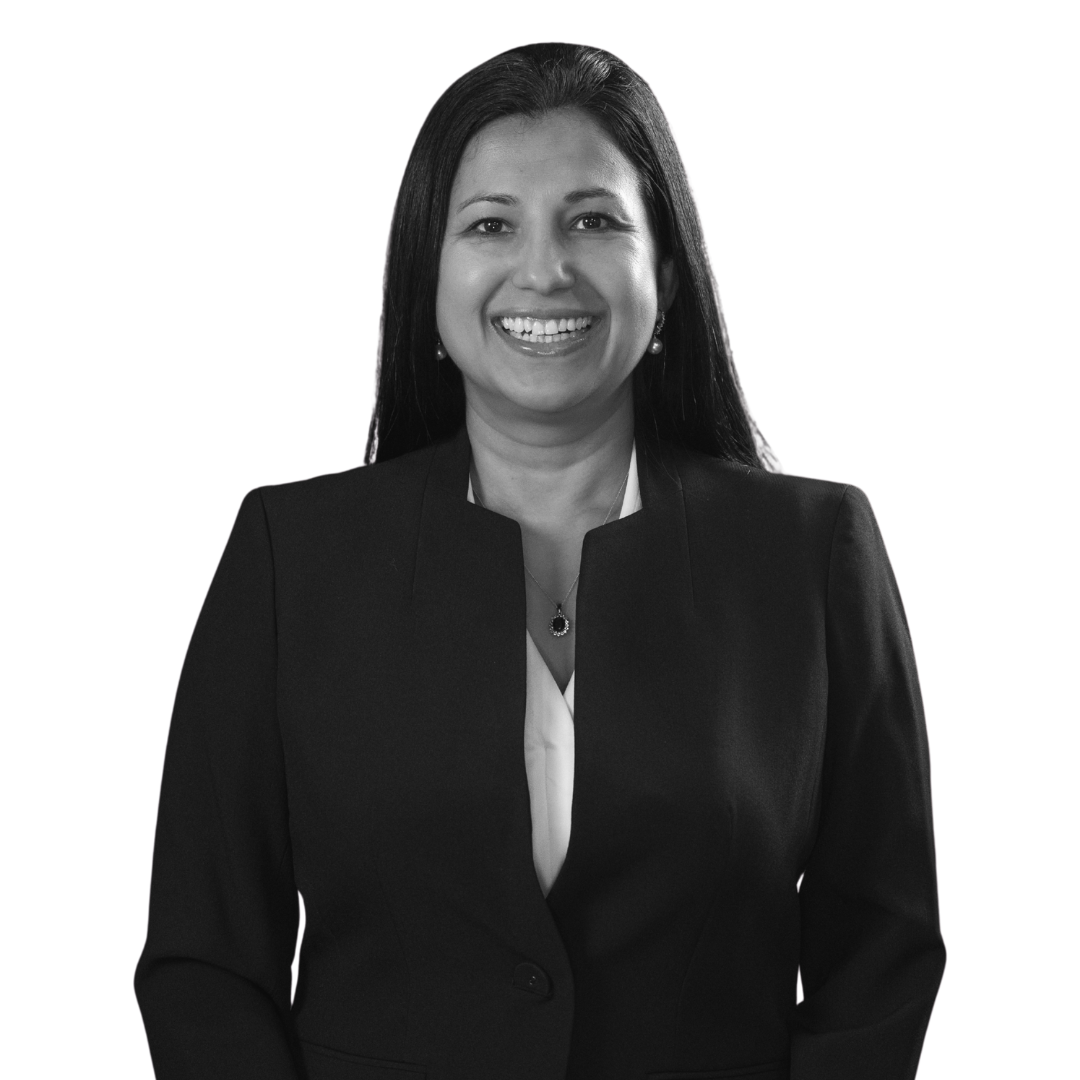
Direct Care Psychiatry with Dr. Sushrusha Arjyal
What you'll learn in this episode:
Dr. Arjyal’s journey from hospital work to private practice.
How she builds a flexible, patient-focused practice.
Keys to financial planning, communication, and networking.
Mindset shifts and tips for success in private practice.
And more!
Here's how to connect with Dr. Sushrusha Arjyal
Find her on:
Website: Bliss Sleep and Psychiatry PLLC
Instagram: @bliss__sleep_and_psychiatry
LinkedIn: Bliss - Sleep and Psychiatry PLLC
Curiosity Over Burnout: How Dr. Sushrusha Arjyal Built Bliss Sleep and Psychiatry
When most physicians imagine private practice, it’s often born from exhaustion or frustration. But for Dr. Sushrusha Arjyal, founder of Bliss Sleep and Psychiatry, the leap from academia to private practice was fueled by curiosity — a desire to explore the business side of medicine, shape her own clinical model, and provide care on her own terms.
Dr. Arjyal, a board-certified psychiatrist and sleep specialist based in Cary, North Carolina, sees both mental health and sleep patients, offering care to adults for psychiatric concerns and children five and older for sleep disorders.
From Academia to Autonomy
After completing her psychiatry residency at Berkshire Medical Center in Massachusetts and a sleep fellowship at Wake Forest University, Dr. Arjyal spent seven years at Duke University Hospital, teaching residents and working closely with neurology.
“My first job was in attending at Duke University Hospital. I taught a lot of residents, fellows — it was a wonderful opportunity to learn and grow. But I wanted to focus on one thing, and private practice became my project.”
In December 2024, she made the leap. Eleven months later, her practice thrives, with about 80% of visits conducted virtually — a model patients love, especially those with hypersomnia or sleep disorders.
“The care and patient care is really no different. It’s a different setting, but the focus is the same. I wanted to explore and learn in private practice.”
Curiosity Over Crisis
Unlike physicians who leave hospital medicine due to burnout, Dr. Arjyal approached the transition as an opportunity:
“More than discomfort, it was curiosity. I wanted to know and learn new things. That was the answer for me — yes, I really wanted to explore and learn.”
Still, leaving the security of a salaried job came with challenges. She lost the daily structure she had been trained for and had to manage all operational aspects herself: EMR, scheduling, billing, and staffing.
“The financial hit is real. Initially leaving that structure was hard… I remember thinking, ‘What am I going to do today?’ But slowly I built my own structure, and now it works.”
Direct Care With Transparency
Dr. Arjyal runs an out-of-network, direct care practice that prioritizes time, clarity, and patient choice. Appointment details and fees are clearly listed on her website so patients know exactly what to expect before scheduling.
“I explain the model honestly… some patients say it’s not for them — and that’s okay. That transparency builds trust.”
Patients interested in working with Dr. Arjyal can review visit details, pricing, and availability directly on her website:
👉 https://blisssp.com/appointments
“You have to be okay when people say no. At the end of the day, we’re here to provide good care, and the right patients will find you.”
Gains and Mindset Shifts
The payoff? Flexibility, autonomy, and the confidence of building something on her own terms. She even has coverage plans in place for when she travels internationally.
“If I hadn’t left, I’d probably still be wondering ‘what if?’ ten years from now. That’s a huge gain — clarity, flexibility, and ownership of my work.”
Dr. Arjyal also emphasizes the need to teach the next generation of physicians about the business side of medicine:
“We bring our expertise to the table and we are educators for the future generation. Whatever you decide to do, do it with your full heart. Give it your best, and pass it on.”
A Final Note for Physicians
For those on the fence about starting a direct care practice, Dr. Arjyal encourages exploration:
“Please don’t assume you’re not made for private practice. Explore your options. Learn, grow, and give your full heart — whatever path you choose.”
Her advice is simple: the challenges are real, but so are the rewards. With focus, preparation, and curiosity, you can build a practice that aligns with both your professional and personal life.
TRANSCRIPT:
Dr. Tea Nguyen (00:55)
I want to welcome Dr. Sushrusha Arjyal of Bliss Sleep and Psychiatry. Welcome to the podcast.
Dr. Sushrusha Arjyal (01:00.93)
Thank you so much.
Dr. Tea Nguyen (01:02.84)
Tell us a little bit about who you are and what do you do in your practice?
Dr. Sushrusha Arjyal (01:09.326)
So again, thank you for inviting me to your podcast. I am a Boat Certified Physician. I am a psychiatrist and a Boat Certified Sleep Specialist. And I see patients with mental health problems and patients with various sleep disorders. For sleep, I see children five and above, but for mental health, I see people 18 and above since I'm not a child psychiatrist. Thank you.
Dr. Tea Nguyen (01:38.988)
You're located in North Carolina, is that correct?
Dr. Sushrusha Arjyal (01:41.846)
That is correct. I'm located in North Carolina and I have an office in Cary, North Carolina. But since the pandemic, we transitioned to virtual visit and patients love it because they have to travel from, you know, far and wide really. And my patients are either like, you know, sleep deprived or they're too sleepy. It is a disorder of hypersomnia lens. So I do a lot of tele-visit about probably 80% of tele-visit. I do have an office which is open five days a week and is flexible if know patients want to come in person. Having said that I'm also licensed in the state of Virginia and for tele-visit only in the state of Florida.
Dr. Tea Nguyen (02:27.544)
So take us back in time to life after you finished your training, to what kind of work did you do until you opened your direct care practice, which is 11 months old today, is that correct?
Dr. Sushrusha Arjyal (02:42.412)
Yes, about 11 months old today. Yeah, you know, sorry, did you, did you have any other questions before I? No. Okay. So, you know, I'm originally, I'm from Nepal, so I come a very long way, right? I did my residency in psychiatry at Berkshire Medical Center, Massachusetts. I did my sleep fellowship at Wake Forest Baptist Hospital. It used to be Wake Forest Baptist, Baptist, then at Winston-Salem, totally fell in love with North Carolina. I love North Carolina. So I decided to settle here and work here. My first job was in attending at Duke University Hospital. And I worked very closely with the neurology department there. I taught a lot of residents, fellows there. So it was a wonderful opportunity for me to learn and grow. And I met some very wonderful colleagues. And I stayed there for about seven years. And then I left in the year 2024 in December to open my own practice.
Dr. Tea Nguyen (03:50.85)
Why? Why did you decide to leave something you love to then become your own boss?
Dr. Sushrusha Arjyal (03:56.456)
You know, in some ways, I still like it's just a transition from a hospital to a clinic, but the care and the, patient care and everything, it's really no different, right? It's a different setting. Why did I decide to leave? You know, I wanted to, I'd never been in private practice, not even in a group practice. Like I said, that was my first job. So was always curious.
Dr. Sushrusha Arjyal (04:24.64)
and I wanted to know and learn and grow in the private practice. But I also know that balancing both would be really hard. So I wanted to focus on one and once I start my private practice, I wanted to make it my project so that I could focus, I could network and I could grow. And I think that was the right decision because having your own practice is actually a full-time job, even if you have not built the whole patient panel in the first few months. It does take a lot of your time and your energy, but it is very rewarding, I must say.
Dr. Tea Nguyen (05:04.472)
So hopping from a hospitalist type of job where you just saw people show up on your schedule. There wasn't a lot of work that had to be done, right? You showed up, you clocked in, you got paid every two weeks, you get a salary. Life is very cushy in some sense, but there had to be some kind of discomfort that led you to choose this path instead. What kind of nudged you in that way?
Dr. Sushrusha Arjyal (05:31.448)
You know, more than discomfort, it was curiosity, you know, because that was my first job, right? And you want to, as a physician, as a clinician, you do want to take up on different opportunities as life, you know, takes you in that direction. And also, see, I did, I think I did my best and I really had a wonderful experience in the sense that in those years I worked very closely with different departments. I had my own residence, you know, elective. So I was getting a number of residents who were training. I had fellows. So I got an incredible experience. But what I did realize was if I want to do a private practice, it will be hard to be in academia. It's not easy. You know, these are like two different sectors which would demand your own
Dr. Sushrusha Arjyal (06:26.156)
their own energy and attention and focus. And I think it's fair, right? And what was the discomfort? I think the discomfort mainly was more like, you know, I think it happens a lot physicians that people would say, maybe you're not equipped for private practice. You don't know the business side of medicine, which is true. I knew nothing about the business side of medicine.
Dr. Sushrusha Arjyal (06:53.356)
But that also is a challenge that you want to sort of, you know, face and see. you know, I mean, you have your career ahead and do you really want to explore and do you want to learn new things? And for me, the answer was yes, I really wanted to explore and learn.
Dr. Tea Nguyen (07:11.22)
So for you, it was an exploration of your potential. Absolutely. Which is amazing because oftentimes we get doctors who are fed up about something. They're angry, they're upset, they're depressed and they find salvation in being their own boss. And for you, it's a little bit more of what's a new challenge I can take on. What else is out there for you? And I think that is such a nice way into private practice because when you come into a world of curiousness, you were just so willing to do what it takes to get to the next level. The energy is a little bit different. It feels a little bit more positive. It feels like it fuels itself because you're just ready for that next thing. So you decided to dive into your curiosity. What was the few things that made you worry or afraid or were you like, I'm just doing it no matter what? Doesn't matter.
Dr. Tea Nguyen (08:10.89)
How did you approach that?
Dr. Sushrusha Arjyal (08:12.822)
You know, and I'm going to be honest here, the most challenging thing was, you know, leaving the structure. Because see, as a, and money too, of course, because you're getting, like you mentioned, you're getting paid every two weeks, right? And that's the money that's, and you get, you get settled into a routine. There is someone who schedules patient for you. There is someone who tells you that the medication is, refill is due. Someone who actually puts the refill together for you so that you just have to review and sign. Remember that, like, because you leave a lot of that, that luxury, so to speak, right? Having a team and down the road, I'm sure private practice, people in private practice have built that for themselves, you know, and more power to them, but I'm not there yet. Right. So initially leaving that structure was hard. You know, I remember like when I left in the, last day and before I got my clinic ready, getting up and thinking, what am I going to do today? You know, because we as physicians we have years and years of rigorous training in which we are so used to the structure of like, now I know what to do the next hour, even the next minute really, everything is planned, right?
Dr. Sushrusha Arjyal (09:38.816)
So not having that and having to create that on your own is hard. Definitely financially, if I mean to the physicians who are trying to thinking of opening their own practice, what I would say is that financial hit is real, right? So you have to plan. Initially, you have to plan and prepare and save. That is very true. The other challenging thing for me was because I decided to go all out of network. breaking that to my patients, you know, the news to say that, hey, I'm so sorry, but I think, you know, I'm not going this route, but this is my model. And slowly it started sort of becoming easier to have that conversation. But initially it was hard.
Dr. Tea Nguyen (10:24.13)
How did you make going out of network make sense for you and then conveying that to your patients?
Dr. Sushrusha Arjyal (10:32.706)
You know, was kind of like, initially I was not clear, but then I talked to a lot of my colleagues who went out of network because that's something we need, right? Support from each other. And I probably did like several hours of conversation with them, like, you know, and I looked at my own situation as well. Like, can I hold up on like, you know, not having a full panel for a certain time?
Dr. Sushrusha Arjyal (10:59.086)
You know, so you have to analyze your own situation and what are your financial goals? I mean, a lot of us are single income families. A lot of us have small kids, you know, maybe people might want to get full sooner. It depends, right? So how did that and how did I make it make sense to me is I sat down and just very did my own CBT, the cognitive behavioral therapy. Like, what do I want?
Dr. Tea Nguyen (11:26.914)
You had a secret weapon because you're a cuss psychiatrist. You trained yourself.
Dr. Sushrusha Arjyal (11:30.638)
Exactly and what are the cons and what did what will I miss and also, you know very clear goals about Where do I want to be two years down the road five years down the road, you know, and what can I afford to lose? Because it's always I feel like life is always about trade-offs, right? And what am I buying? What am I getting in return, right?
Dr. Tea Nguyen (11:54.826)
Yeah, so tell us, tell the rest of us who are probably terrified. What did you end up losing? What was worth losing and what did you gain in this process?
Dr. Sushrusha Arjyal (12:06.222)
So I think the one that I survived, even if it was uncomfortable so far, was the structure because slowly I created, because for me the structure is very important, know, the discipline, the structure. So I've slowly managed to create my own structure. So, and the financial aspect also slowly you're building, I mean, you build up with very realistic expectations, right? You have to have very realistic expectations from yourself from the area that you're practicing at, who are the other doctors, other physicians, you know, who are other providers in the area. So you have to have some realistic expectation. That's the first thing. What did I survive? I think I survived that and I have my own structure and that is fine. I still do not have any staff members, you know, and initially learning the business
Dr. Sushrusha Arjyal (13:02.922)
I mean smaller things, know, like learning about the EMR, what does it cost, learning about the phones, the malpractice. So doing all of that was challenging. It took me hours and hours of my time, you know, but I survived that because now my practice is up and running and it's smooth now. You know, people can just schedule, I can schedule and I can see patients.
Dr. Sushrusha Arjyal (13:29.58)
So it's really no problem there. What did I gain? That was your next question, right? I gained a lot of flexibility because I do travel a lot. So I don't have a huge patient panel and I do kind of like, you know, tell them, hey, you know, I can, this is what, and I prepare my patients on time. And I do have a backup, my friends who are psychiatrists who are happy to cover for me, vice versa. So I gained that structure, right?
Dr. Sushrusha Arjyal (13:57.224)
And I gained flexibility. And also, you know, in some ways, I think if I hadn't done this, if I hadn't left, I would still be thinking probably 10 years later, what if I had stayed, like if I had like, you know, started my private practice when I wanted to, I would have probably made it, you know, so that what if is gone. If you, you know, and I think it's a huge gain, right? Rest, we'll see how that goes, really.
Dr. Tea Nguyen (14:26.422)
I really love that because you're living in a future of not wanting to regret these opportunities that you've created for yourself. Absolutely. And so I wanted to ask you a little bit more about your model. Is it membership based or is it per visit? How do you charge your patients?
Dr. Sushrusha Arjyal (14:45.518)
So it is per visit based. I do charge like, and it is on my website, it's very clear. So I'm going to see this here. I do charge 400 for initial consultation, which can be 60 to 90 minutes. And that consultation includes a sleep evaluation and a psychiatric evaluation, both. And if needed, I also order sleep studies, do sleep studies, read my own sleep studies and interpret.
Dr. Sushrusha Arjyal (15:14.67)
and sit down with the patients and kind of go over the results. I do the treatment of all common sleep disorders. My follow-up visits are usually 30 to 45 minutes, and it's $200. I have a few slots, appointment slots that I do sliding scale. If people have private insurance, then I can give something called a super bill, which they can submit it to the insurance and they can get reimbursed their insurance permits and depending on the insurance. I do, initially, what I do is when someone asks me for an appointment, I do give them a call about five, seven, 10 minutes of free call so that I go over all of this with my patients. And then it's on the table, patients can either take it or they can say, Hey, this model is not for me. I need someone who takes insurance.
Dr. Sushrusha Arjyal (16:10.624)
And we do it very respectfully. Either we connect as a physician patient or we say, okay, thank you very much for your time. And I've had a great experience with people who chose to follow me in the, like, you know, see me in the bliss sleep and psychiatry. And also people who said, okay, you know, I'd love to see you, but I don't think this model is for me. It goes both ways.
Dr. Tea Nguyen (16:36.238)
So you were totally fine when people said no thanks.
Dr. Sushrusha Arjyal (16:39.934)
You have to be. See, we are physicians, right? We work for the betterment of the patients. And that's really not going to change if whether I'm working in a big organization or a private group or my, you know, private practice, it has to be. And I do understand, see, people have their own financial challenges, people have their own and...
Dr. Sushrusha Arjyal (17:05.332)
And that's why I keep some sliding scale slots, but I'm a very small practice. So it's not like I don't have any other funding available or coming to me. So I do have to kind of say, okay, this is my boundary as well. And people respect that and I'm very appreciative of that.
Dr. Tea Nguyen (17:23.117)
So you built this practice to grow. You did it out of curiosity. You also gained flexibility out of that. So when you do travel, how do you have backup for your patients? And is that frequently needed?
Dr. Sushrusha Arjyal (17:39.862)
You know, most of the times I'm available for my patients. But if I'm traveling internationally, there is the DEA regulation that you cannot prescribe controlled substances, right? And then you have to have someone for backup. So what I do is I meet with each of my patient, I let them know, and I try to refill everything, you know, but there might be some emergency or something, or urgent refills, urgent visits, which is not like does not.
Dr. Sushrusha Arjyal (18:09.814)
is not equivalent to the emergency department visit. Not as urgent as that, but need the psychiatrist outpatient. So I do have a couple of board-certified psychiatrists who cover for me in the area. And then we let each other know, I let my patients know, I'm very transparent about that. But as much as possible, I'm the one picking up the call. And that was the whole point, you know, I want to provide some like one-to-one very personal care and be there for them. It might not always be possible, in which case we have the backup.
Dr. Tea Nguyen (18:46.114)
So how do patients find you? Were there patients from your previous place of practice who found you in private practice or are you marketing?
Dr. Sushrusha Arjyal (18:55.822)
Some of them did, but I also did a lot of marketing meetings, so to speak, networking meetings. So I reached out to the therapists in the area and I reached out to primary care physicians in the area. I reached out to so many people really, and either like meeting them at the coffee shop, having a virtual meeting, you know, or, you know, having a group meeting. So doing all of that is helpful.
Dr. Sushrusha Arjyal (19:24.322)
I think as physicians, and some of them, some of us might be, but I was very awkward with social media initially. So I learned a little bit of that and I tried to make a little bit of educational videos, you know, so that I can reach out to more audience. And then, yeah, so it's, it's a learning curve for sure. But I'll also say this to you because I... know what challenges we face and the mindset. Basically, I know where we come from as physicians, right? And the challenges we face and the fear that we have for, you know, to start a private practice. So I am launching a physician coaching program through Bliss Wellness and Coaching, where I will be happy to help physicians who are, quote unquote, like, you know, like you mentioned, afraid you know, starting a private practice or thinking of starting a private practice and I offer that whoever wants to take up on it are welcome.
I really love that it's in alignment with your brand, Bliss, Sleep and Psychiatry and Bliss. Wellness and Wellness and coaching, I think it's so needed because like you said, a lot of us, you know, we're very afraid to stick our neck out and to be public facing, to be on social media, to do networking events. Like we weren't really taught how to schmooze with people, right? We were just taught to like find the problem and fix it.
Dr. Tea Nguyen (20:53.35)
But I think we are evolving and we have to evolve in order for patients to get this level of care, this high touch point, because otherwise they get sucked into a system where maybe they're forgotten. There's going to be a bunch of people who need the level of care that we provide. And maybe we can't take care of everybody. And that's actually OK. But we can take care of a few people. So what were some of the mindset shifts you had to overcome yourself in order to be here 11 months? Later in your direct care practice.
Dr. Sushrusha Arjyal (21:24.714)
Yeah, you know, see one of the things, are you going back to your, our previous discussion also, right? See, I am, I call myself an educator. I love teaching and like you mentioned, right? We do have, we do lack some training in how to connect, how to go into like social media and express yourself and like talk. And you know, I have had physician colleagues who would say, how do you do that podcast? Because I'm very hesitant to do that.
Dr. Sushrusha Arjyal (21:53.624)
You know, even the talk like this, know, and audio visual or audio only. So what I really think is we should train our medical students and residents and fellows, because by the time we are attending, it is not, I'm not saying it is too late to learn. It is never too late to learn, but it will be helpful if we could incorporate some of that, you know.
Dr. Sushrusha Arjyal (22:18.326)
So that's why I started this wellness and coaching. I started it because I want to sort of get that population where they're still learning about other parts of the medicine so that you can have a parallel understanding of how things actually work outside of the medical school, you know, and to answer, sorry, we got a little distracted here, but to answer your question about what was the mindset that I had to overcome.
Dr. Sushrusha Arjyal (22:47.212)
You know, I think the mindset that I had to overcome was that, you know, it's in some ways that people do understand every aspect of medicine, including me, because we don't, you know, we don't, we don't understand a whole, like I had to learn and I'm still learning a lot of new things which had not much to do with patient care, but is important.
Dr. Sushrusha Arjyal (23:16.086)
Because then that's how you incorporate in your like, for example, EMR, right? I could see my patients on cash pay basis and just write a note, but EMR is necessary if you want to make the patient care a smoother process. So you have to learn how to do that and you have to find a way, okay, what is, and you have to learn the business of medicine. Who's charging what? You know, it kind of might be just like, one dollar, two dollars here and there, but it does make a difference in the long term, you know. And I had to learn again to say, to break the news that sorry, but this is my practice, you know, I am, I'm just taking direct pay. And to my surprise, people did take it very well, you know, even if they couldn't do it at that moment, people were very appreciative of the transparency, and you know, the clarity initially, instead of like, you know, saying, I might, I might consider that, which might be a case in future. I don't know that, but you know, so yeah, it's learning process for sure, but very exciting. I'll tell you very excited.
Dr. Tea Nguyen (24:26.254)
It really is and I love being here talking to other doctors who just get it, you know, it's it's one thing to read about it intellectually to get the checklist of how to do this, but it's a whole nother ball game when you have to mentally change the way you think what you believe in in order to make this work. So do you think there are some things that we should be teaching our students or medical students, residency doctors?
Dr. Tea Nguyen (24:56.448)
as it pertains to business because I came from a place where they told me private practice was dead, that life is easier if you just get a job so that you can collect your check every two weeks and then you go home. But the reality was that job was so much mentally more taxing because we didn't own our time, we didn't own our money. Insurance can easily claw back, take it away.
Dr. Sushrusha Arjyal (25:16.352)
Mm-hmm.
Dr. Tea Nguyen (25:23.586)
put more demands on you compared to having a private practice. So I feel like we were kind of sold a lie in some respect where private practice is dead, but in reality they're both hard. They're just different kinds of hard. What do you, what's your take on that?
Dr. Sushrusha Arjyal (25:38.872)
So, you know, I think that it is a matter of choice to a great extent, right? What I would say is when people are in medical school or residency, there should be a chapter for business of medicine. There should be aspects of medicine that is very important for clinical care ultimately, but might look a little bit different, for example, billing, coding, you know, things about insurance, you know, what to know about insurance. And then I would say, let every physician choose their own path. And why not? You know, and some people, I know some of my friends who love being in the jobs they are, and that's where they plan to retire. There is nothing, see, there is nothing wrong with that, you know.
Dr. Sushrusha Arjyal (26:31.758)
But I also have met personally, like I mentioned, at least five to six physicians who have followed me up and said, you know, I really want to leave this job. And I, but I know that I'm not made for private practice. And I'm like, how do you know that? You can't possibly know that. Let's talk, you know? And none of them were like, those were all very voluntary, you know? And that gave me an idea of why don't I start my own coaching program if so many people need help.
Dr. Sushrusha Arjyal (27:01.738)
You know, and I think, as we have one life, right? And people should be free to choose and do whatever they want to, no judgments really. And if they want to do this, they want to take insurance model and they are happy with that, there are so many things you can do with, you know, even within psychiatry. You could do procedure, you could do TMS, you could do, you know, so many things. For me, I have decided to focus on sleep and psychiatry because it's a lot even with both sleep and psych, you know, and focus on that. And because I love education, I decided to expand in that sector. But what I would say to all my physician colleagues is please don't hesitate to explore depending on your circumstances.
Dr. Sushrusha Arjyal (27:53.162)
Right? If you think that's the, that's a little bit of risk in terms of financial, you know, like leaving the job and not making money for the next few months is something that you can, you know, really think about. Rest is easy. And please, like if you, if you want to reach out to me by all means, please reach out. It's not that difficult. It is really not that difficult to set up your own practice. Yeah. Depending on your ambition and your goal.
Dr. Sushrusha Arjyal (28:22.836)
If you want to expand how much you want to expand, it depends on your personal goals. That's very individual, you know, goals and individual choice again. But, you know, but starting itself and getting it off the ground, especially for psychiatry practice, it's easy.
Dr. Tea Nguyen (28:41.782)
Is there anything you want to share with the listeners who's sitting on the fence about deciding to go into a direct care practice or maybe something that I should be asking you and I haven't?
Dr. Sushrusha Arjyal (28:55.342)
So, you know, I'd say there is more flexibility for sure. You you own your practice. There is also a little bit more work because you own your practice, right? But overall, I'm happy. My patients are happy. And, you know, it's, it's a, again, it's a choice, right? What I would say is at least explore. Please don't think that you're not made for it. It's almost like saying I'm not made for hospital medicine.
Dr. Sushrusha Arjyal (29:23.264)
or I'm not made for group private practice. I think that kind of assumptions will just keep us, you know, stuck in a place where we perhaps want to, you know, if you want to explore other things. If you are happy where you are, my friend, please live your life, travel, you know, be with your family, you know, find time for your hobbies and do what, what helps you, you know, with your, and focus on self care. That's what I'd say.
Dr. Tea Nguyen (29:53.388)
That's awesome. I agree with all of that. Do what you want. It's your life. You decide. You take the risk.
Dr. Sushrusha Arjyal (30:00.46)
You take the risk and it's not rocket science really. I mean, I could probably, you know, ask, help someone get their private practice up and running in eight weeks.
Dr. Tea Nguyen (30:13.888)
Awesome, eight weeks, there you have it.
Dr. Sushrusha Arjyal (30:16.77)
Your experience?
Dr. Sushrusha Arjyal (30:18.071)
It's not, but then depending on like if you want to expand more, you know, that depends on what you want to do within. And I'm talking about psychiatry, you know, because I have no idea about how other DPCs or other practices work because I have no experience or expertise in that.
Dr. Tea Nguyen (30:37.482)
Yeah, and that's why we're here. There are so many specialists on this podcast that can help. They're available to help. don't many don't even have a coaching business. You can just call them, email them, and they're so willing to support the next doctor who wants a direct care practice. And then there are others who, like us, we have a more formalized path because it's fun for us. It's just what we do for one another. Well, thank you so much for your time. Any last notes for the listeners before I let you go?
Dr. Sushrusha Arjyal (31:07.95)
Yeah, thank you for having me here. And I think as physicians, we bring our expertise to the table, right? And we are the educators for the future generation. whatever you decide to do, please do it with your full heart. Give it your best, you know, and pass it on to the next generation because they're going to look up to us to see what we did and what we didn't do for that matter.
Dr. Tea Nguyen (31:36.774)
Or what we tolerated, that we keep perpetuating.
Dr. Sushrusha Arjyal (31:39.774)
Exactly. Yeah, no, that is absolutely true. Yeah. Thank you for having me.
Dr. Tea Nguyen (31:44.216)
Thank you for being here. Thank you for listening to the Direct Care Podcast for Specialists. Remember, you always have the power to choose. So what will you be choosing today? Wishing you peace and possibilities.

Grab The Free Direct Care Guide For Specialists
Just enter your email below and we’ll send it straight to your inbox — and don’t forget to check your spam folder just in case!