

Episode 207:
Hitchcock Direct Imaging with Dr. Matthew Hitchcock
WITH DR. TEA
·
DIRECT CARE PODCAST FOR SPECIALISTS
·
WITH DR. TEA · DIRECT CARE PODCAST FOR SPECIALISTS ·
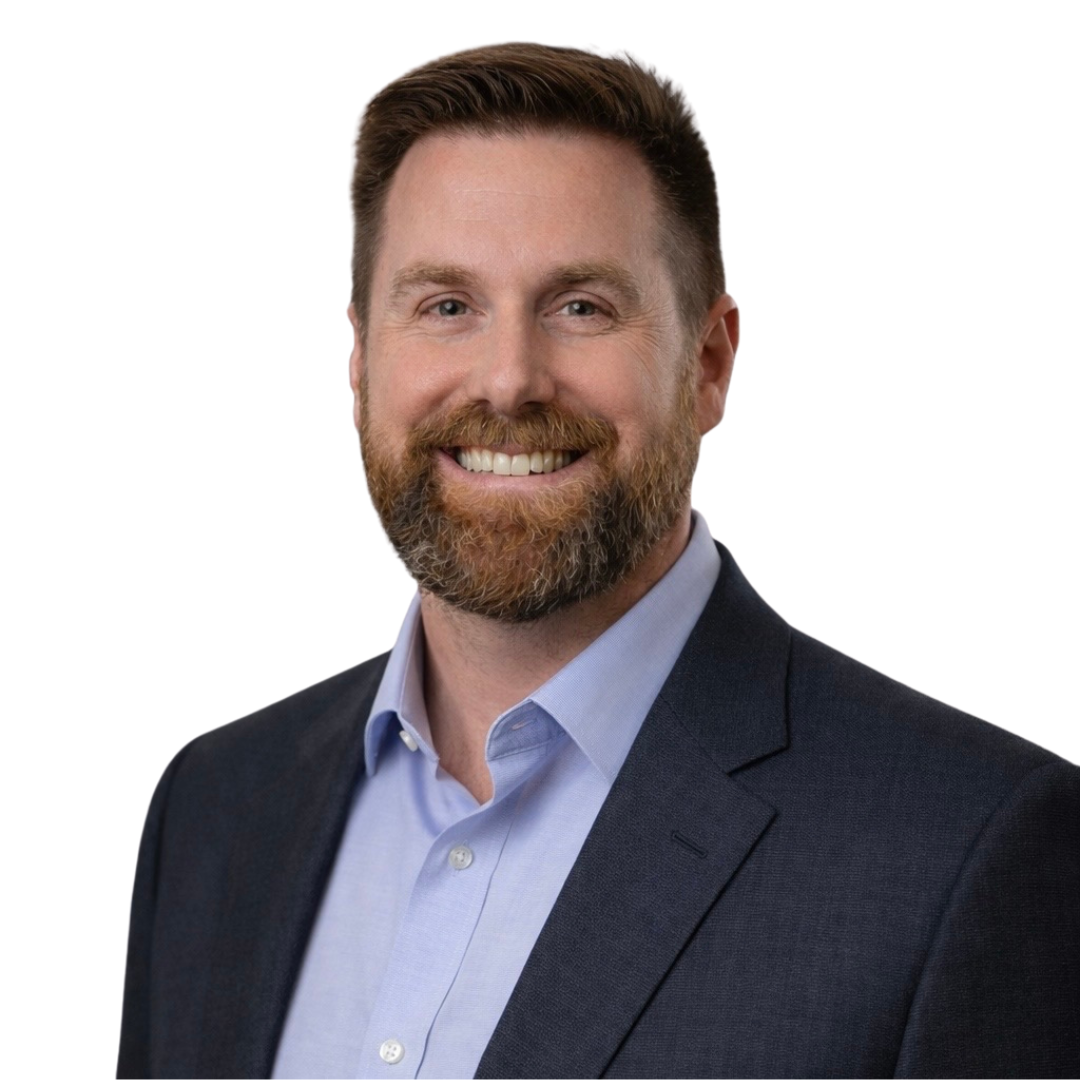
Direct Care Imaging with Dr. Matthew Hitchcock
What you'll learn in this episode:
How Dr. Hitchcock built a cash-only imaging center for faster, affordable care.
Navigating regulatory hurdles like Tennessee’s Certificate of Need.
Benefits of direct pricing for patients and physicians.
How direct primary care enables innovation and better patient access.
And so much more!
Here's how to connect with Dr. Matthew Hitchcock
Find him on:
Hitchcock Direct Imaging with Dr. Matthew Hitchcock: Solving Problems, Not Just Treating Patients
When most physicians think about private practice, it’s often about escaping burnout or chasing financial stability. For Dr. Matthew Hitchcock, founder of Hitchcock Direct Imaging and a family medicine physician in Chattanooga, Tennessee, the leap into direct primary care and cash-based imaging was driven by curiosity — a desire to solve problems, improve patient access, and build a system that works for both doctors and patients.
From Navy Physician to Direct Care Innovator
After years of traditional practice, Dr. Hitchcock saw firsthand how administrative hurdles, insurance delays, and limited resources prevented patients from getting timely care. Inspired by the direct primary care model, he built his own practice, focused on patient relationships, transparency, and flexibility.
“I wanted to spend more time with patients and less time navigating insurance red tape. Direct care gave me the freedom to practice medicine the way it should be.”
Making Imaging Simple and Accessible
A recurring frustration led to innovation: patients needed imaging, but traditional pathways were slow and expensive. Dr. Hitchcock partnered with a radiologist to open a cash-only imaging center — offering CT, X-ray, and ultrasound with transparent pricing and same-day scheduling, available to the broader community.
“It’s simple — no prior authorizations, no insurance hoops. Patients get fast, high-quality imaging, and local doctors have a reliable resource for their patients.”
Overcoming Challenges
Launching the center in a Certificate of Need (CON) state required navigating regulations, inspections, and approvals. It took patience and persistence, but the result is a streamlined, patient-centered service that solves real problems.
Direct Care Meets Innovation
Beyond imaging, Dr. Hitchcock also runs a cash-only pharmacy to help patients save money on prescriptions, reflecting his broader mission: remove friction from healthcare while improving outcomes.
Advice for Physicians
For those curious about direct care or innovative solutions:
Start small and build partnerships.
Engage with state regulators early.
Focus on patient needs, not just systems or profits.
“Every problem we solve for patients ripples out. It’s about making healthcare affordable, accessible, and patient-centered.”
TRANSCRIPT:
Dr. Tea Nguyen (01:47)
Hey there, welcome back. And if you're new here, welcome to the podcast. This conversation is a little different from the others because instead of focusing on individual specialty doctors talking about how they open their direct care practice and what's working and what didn't work for them, we're going to be talking about something that affects us all. This is about access to imaging and the ability to make decisions without friction. So I wanted to bring on this guest.
Dr. Matthew Hitchcock because he shared in a Facebook post that he was opening up an imaging center. He is a direct primary care doctor who has been in business for over a decade and just decided, hey, there's a problem here, let's fix it. And that he was gonna be the guy to fix it. So I hope that this conversation inspires you to challenge yourself to tackle problems that you see every day because you do have what it takes to create change in the healthcare landscape.
And listen, you don't have to do any of this on your own, but because there's going to be a lot more allies out there who think like us, who are problem solvers, who really see the need that our patients have, and we've become really resourceful to do it, to get the information that we need to create change. So if you've ever felt tension between knowing what your patient needs and being blocked by the system, this conversation will resonate with you and hopefully, get us to a place where we multiply our impact. And it all starts with a conversation.
Let's take a step back and have you introduce yourself. Welcome to the podcast, Dr. Hitchcock.
Dr. Matthew Hitchcock (03:21)
Yeah, thank you. I'm Dr. Matthew Hitchcock. I'm a family medicine physician here in Chattanooga, Tennessee. I've been doing direct primary care for a little over a decade now.
Dr. Tea Nguyen (03:30)
Wait a minute, that's a long time. So it's been around for some time, sounds like.
Dr. Matthew Hitchcock (03:33)
Let's go out and touch.
Dr. Matthew Hitchcock (03:39)
Yes, So what really kind of got me into this, you know, I was there in San Diego. I was active duty in the Navy. I was a faculty physician at a residency program there and we had, it was kind of the perfect storm. We had just had our quarterly coding audit. So they came in and you know, pulled my charts and you know, picked my coding apart and I'm thinking, you know, why as a doctor do I need to worry about all this crap? And we also got a memo from the command basically saying that our access was horrible and that patients couldn't get in to see us, even though we're on basically 15-minute appointments all day long, it's that they were going to add four more appointments to our day. And I'm looking at my schedule like where, you know, I'm seeing patients from like 730 to like 430, like 50 minute appointments, you where are going to fit four more appointments in our day? And right about that time, I read this journal article, I think it was in the Journal of Practice Management, about these two crazy guys in Kansas, Josh Umber and Doug Milnemaker with Atlas MD, you know, doing direct primary care. And I was like, oh that sounds pretty good. So I actually tracked down Josh's cell phone, and he was my mentor and helped me open this practice, you know, 11 years ago now back in 2015.
Dr. Tea Nguyen (04:48)
And so you went from the beautiful town of San Diego, had done your training, and you were in the Navy. And then from there, did you just went back home to Tennessee to open up or was there a transition period?
Dr. Matthew Hitchcock (05:02)
We did. So I had about a year and change left in the Navy from when I decided it was going to go the direct farming care route. So I had about a year while I was still there in San Diego, kind of plotting for everything back here in Tennessee to open it. So I knew I wanted to get out and kind of move back home. So we kind of worked on getting everything set up and getting all kind of the backend stuff done. And then I got out of the Navy, moved back here to Tennessee and opened the practice. You know, it took us a little while to kind of get the physical space, to find a location and kind of get everything going. So there was about four or five months after I moved back that we opened. I think we moved back in July and we officially opened on the 1st of November.
Dr. Tea Nguyen (05:40)
How did you mentally prepare for that?
Dr. Matthew Hitchcock (05:43)
Oh, that's a good question. And a lot of it was, you know, that unknown, especially back in 2014, 2015, your DPC was kind of a newer thing. There weren't that many people around the country doing it. You know, looking at some banks to get a startup loan, they're like, what in the world is this, you know, for it? You know, it was a little kind of nerve wracking there at first to do it, especially not knowing exactly kind of how this was going to turn out, how it was going to work. But I knew that was what I wanted to do. I wanted to be able to spend an hour with every patient and not the 15 minutes rush and not having to spend hours doing my notes, doing all of those things. I didn't want to do that.
Dr. Tea Nguyen (06:25)
And so you started your practice in Tennessee. How did you get it going to get people to have the buy-in to want to do this? It's a membership, right?
Dr. Matthew Hitchcock (06:34)
It is. So, you know, they pay the monthly membership fee for it. And at first it was hard, especially when no one had ever heard of this. We were the first direct primary care practice in Tennessee. No one had heard about this. I got a lot of questions if you're a real doctor, right?
That happened a lot at first. And a lot of it was social media. We did a lot of social media posts, a lot of social media marketing kind of when we first started. And then it was word of mouth. Patients told other people about it and it grew exponentially from there.
Dr. Tea Nguyen (07:04)
How long do you think it took for this engine to start running on its own?
Dr. Matthew Hitchcock (07:09)
For me, it was about three years. So it really took about three years for me to kind of reach a point where the practice could pay me. I was moonlighting at Urgent Care, so kind of feed the family for about three years as the practice grew. And, you know, we...
Around 300 patients was really where I think the turning point really happened that had enough kind of critical mass where word of mouth and kind of what we were already doing was enough to kind of drive it forward. I was able to quit the urgent care and kind of be here full time. And now we've grown. I actually just hired our fifth physician here to kind of join my group for it.
Dr. Tea Nguyen (07:47)
Well, so you've gone through a lot because you were in a place where a lot of the resources like we have today, like this podcast, wasn't available. So you had a mentor, you got the mentorship, you just did it. I know that's not easy, but then you broke through the three years. And then now we're here today talking about how now you're offering cash price imaging in your practice, but it's not exclusive to your patients. Tell us a little bit about that.
Dr. Matthew Hitchcock (08:14)
So, you know, throughout the years for running the direct primary care, we tried lots of things to get imaging because that's another frustration that a lot of physicians, whether you're a primary care physician or a specialist, you know, doing, you know, in a direct care model just anywhere, getting your patients to do imaging is a pain sometimes. A lot of patients will forego imaging because of the cost or, you know, trying to get an appointment slot to get it. And it's a pain.
And we, when we first kind of started out, we tried to do direct kind of client billing with a local imaging center here in town. And it was hard. They would constantly change the prices on us. It was, it was a nightmare. It was a mess. I think we wound up losing kind of a lot of money on it, honestly. And so we would just have our patients say, Hey, you can ask them what their cash price is. They would send out sheets of their cash pricing or you can use your insurance if you go and I'll just send the order out to kind of wherever you want it. But even then it was hard, even with their insurance.
We would have to jump through hoops, you trying to get prior authorizations done for imaging. Sometimes the patient would be like, hey, you know what, I can't afford this. ⁓
And it was hard. So a friend of mine from high school and medical school was a radiologist here in town. And one day kind of, I think, venting to him, we came up with the crazy idea of opening a cash only imaging center. So just like we have cash, things for primary care, for the drug primary care world, let's do this for imaging. It kind of lucked out. We were kind of looking at a bigger space as we were kind of hiring and expanding and hiring new docs. You've got a big enough space that I could put an imaging center. So we have a CT, X-ray and ultrasound, no imaging, it's all cash pricing for that. And there's no prioritizations, there's no hassles, there's no roadblocks, there's no anything kind of providing friction that a patient couldn't get their imaging done. It's all a flat transparent cash price for it. And that is open to the outside world. So not just our primary care patients can do it.
Dr. Tea Nguyen (10:13)
I imagine a CT thing, what do you call it? A CT scanner is expensive, right? How do you go about pricing it?
Dr. Matthew Hitchcock (10:20)
Yeah, so like pricing for the scan for it. We kind of sit down and kind of, you know, kind of work some math kind of behind the scenes a couple of years ago when I can got an MBA, I put the MBA to work out for that. And kind of came up with what I think a reasonable price was and kind of looked at other places, you know, around the country kind of doing some, some, no one, no one that I found was doing a true cash only, but a lot of imaging centers kind of post their kind of self pay rates.
So we kind of had some things to go off of around the country. But you came up with what a good number for that would be and what would work for us.
Dr. Tea Nguyen (10:53)
Does this imaging center sit separately like a separate LLC from your direct primary care practice?
Dr. Matthew Hitchcock (11:00)
It's still part of the same LLC or PLLC here in Tennessee. We just did a DBA, you know, for it. So it's kind of a separate kind of under the same umbrella. I actually had several phone calls with the meetings with the attorneys to try to figure out the best way to do that when we first started out for it.
Dr. Tea Nguyen (11:16)
Does adding imaging help you increase your revenue more or faster?
Dr. Matthew Hitchcock (11:22)
It does. I mean, it's nice having it there for the primary care, because then we can really kind of coordinate care. I think this is a great story for this. Just last week, I had a patient text me on a Wednesday morning about this just severe abdominal pain. I said, hey, come on in. Within about 30 minutes, she was here in my office, kind of evaluated her. I was thinking pancreatitis at the time, or I think her story sounded good for pancreatitis. It's like, hey, let's walk down the hall. We literally just walked down the hall and grabbed the CT and lo and behold, was her gallbladder.
Ford actually was able to get an ultrasound too real quick. And I was texting with the surgeon and had her in his office kind of that afternoon to kind of meet with the surgeon who had pushed the image, pushed the scans and images over. And he had her in the operating room the next day and we kept her out of the ER and was able to kind of manage all of that. So it's really been a huge boon for our primary care side of things. Cause you know, nowhere else outside of the big health systems, even in the primary care really doesn't have that greater access to it. Can you get coordination of care like that?
So it's been a huge boom for that. Then, you know, just running it as a separate business for the outside world, it's huge. We just now were able to open it to the outside world. It took almost about two years between the certificate of need issues with the state and then licensure as an imaging center. It was about two years kind of from start to finish to where we could fully actually officially market this to the outside world. And we just got our approval kind of over Christmas. So we've only had about two or three weeks. That we've actually been able to actually market this to the outside world.
Dr. Tea Nguyen (12:52)
I wanted to ask you just that, what was the regulatory hurdles that's required to have the CT imaging center?
Dr. Matthew Hitchcock (12:58)
Yeah, that was very interesting for it. So certain states, Tennessee being one of them, are what are called CON or Certificate of Need states, where you, for certain healthcare services, you have to prove to the government that a need for that exists and current certificate of need holders in theory can kind of fight it and kind of oppose it. Unfortunately, Tennessee is a certificate of need state. So we had to go to several committee hearings, kind of board hearings in Nashville, the state capital to kind of prove that there was a need here and kind of show that the population can handle it and there was a need for it here. And then once we were granted our CON, luckily no one opposed us. The next hurdle that we had to jump through was licensure. So we had to get licensed as what's called an ODC or outpatient diagnostic center.
Which was some several inspections and very opaque non-transparent process for it and lots of headaches and hassles and waiting months to get an inspector down here for things. But finally, like I just the week of Christmas, we got our early Christmas present and got our license as an imaging center. So once we had that in hand, we could officially open this up to the outside world and let outside patients come in and they're already starting to come in. I just had one the other day, ⁓ she had a quote at a outside imaging center for about $700 for a CT with her insurance and it was gonna be 350 here with us and she's like, and it was so much faster too. Y'all got it done, y'all got me scheduled and because there was no red tape, you none of the insurance hassles for.
Dr. Tea Nguyen (14:28)
Do you think you'll be adding MRI imaging?
Dr. Matthew Hitchcock (14:31)
That's a good question. And that is honestly the first question, I think every single patient, we've gotten so many requests for MRIs. you know, that's where you're putting that the MBA had in there. ⁓ We looked at it, you know, when we first kind of started it, the financial issues were really interesting looking at an MRI, ⁓ even for a refurbished kind of 1.5 Tesla, which the MRI magnets are kind of graded in Teslas. Most of them are about 1.5 or 3 Teslas. You kind of see some newer, stronger magnets in there. And the stronger the magnet, so the higher that Tesla score, the better the image quality for it. Most of the specialists now really want a 3 Tesla magnet for things. And even for a refurbished 1.5 Tesla magnet, I was looking at like $1, $1.5 million for the machine itself, which is just absolutely crazy. The shielding,
you know, for the room and the space around it is absolutely insane too, price-wise for it. And then the other interesting thing about the MRIs is they basically run on liquid helium. So the wires that kind of form the magnet have to be super cool to actually make it work. So it's constantly kind of circulating the liquid helium through it. So they run on liquid helium. So when I actually started kind of pricing everything, kind of working through everything, I couldn't get the cost per scan that much cheaper than What we were kind of seeing out in town, there's a place nearby, I was called Express MRI that has just flat cash pricing and I really couldn't get it down lower than that for it. So we really wanted to kind of focus on what we knew we could do and kind of bring to market with the CT X-ray and ultrasound. And then, know, MRI might be kind of phase two for
Dr. Tea Nguyen (16:11)
Yeah, Mark Cuban made a statement on X and I'm not on X or Twitter or whatever it's called these days, but it's all over LinkedIn. And he had said, explain to me why the insurance company will pay $2,500 for an MRI when the center down the street will do that for $350. And I don't think doctors, at least not all doctors understand the pricing structure for imaging, you we make the recommendation. We hope that insurance covers it for our patients. And then, you know, three months later, we're still waiting on the imaging and the quality is terrible. You know, you were just talking about the MRI and for foot and ankle, we really want thin slices, but we get these like generic choppy rustic slices and then we miss all these pathologies. And then we end up having to re-image them in-house with ultrasound to confirm, you know, other things we were looking at.
So Curiously, what were your thoughts around insurance pricing? What do people need to know about how insurance prices compared to what you're offering?
Dr. Matthew Hitchcock (17:12)
You know, lot of the insurance prices that people see are honestly made up a lot of times ⁓ for it. They'll, you know, whatever the insurance will charge and then, you know, kind of work things back off of their charge master and whatever discount that they do. But then too, at the imaging centers, in order to bill insurance, I have to have a whole army of people behind the scenes, know, billers, coders, all of these extra people that I have to pay to be able to bill insurance and that adds up. It adds like a whole middle layer of cost in there that drives up the price and where you and when you remove all of that middle layer, you can really bring down the cost and make it actually affordable for people.
Dr. Tea Nguyen (17:51)
What do you think doctors don't know about what you're offering?
Dr. Matthew Hitchcock (17:56)
One that it exists, though, you know, I said, just in the past few weeks, we've been able to kind of actually start marketing it. So I've actually been going around to doctor's offices with our price sheet and really talk to the physicians about kind of why they want to do this. You know, why should I my patients to Hitchcock Direct Imaging over, you know, one of the private imaging centers here in town or the hospital for it? And one, it's faster. So they don't have to jump through all the prior authorization hoops so we can get their patients scanned and get the imaging report back to them. All our imaging is over read by a board certified radiologist, my med school classmate here for it. And they get a high quality scan. Our imaging for CT X-ray and ultrasound, it's a fast machine, high slices, a new machine. And they get high quality imaging back to them for an affordable price faster than if they got it out in town. I said, about the, going back to the example I said earlier, the patient with the kidney stone, where it was gonna be a week before he got the CT.
It's like, know, maybe he'll pass it. Maybe he'll get infected and have urology go do it in the hospital, you know, beforehand, but we can get it faster and in there quicker. And the doctors, their response has just been astronomical. Like, why hasn't someone done this before? That statement has come up several times now.
Dr. Tea Nguyen (19:09)
Well, yeah, because they make it hard, as you said, needing the C.O.N. and all the paperwork and legal things.
Dr. Matthew Hitchcock (19:16)
Yeah, the state does not make it easy to open a new imaging center.
Dr. Tea Nguyen (19:19)
So I wanted to know a lot of the listeners here, whether they're specialists trying to start their direct care practice or they're scaling it, they're revising it. Where do you think a partnership can exist for what you have and for the specialists who are listening?
Dr. Matthew Hitchcock (19:32)
Oh, it can be great for them. There's someone in your town who wants to open an imaging center, maybe even if several specialists come, want to go together and do it. Definitely I've kind of learned all the headaches and hassles, you know, having to help people, you know, kind of jump through all those hoops and do that. But it definitely has a role, especially if we're seeing a few more. There's one direct imaging center in South Carolina and had a few folks reach out to me about how to do this. You know, I think there's definitely a need for those ancillary services kind of in a direct care model to help and support either primary care or specialist in doing a direct care model.
Dr. Tea Nguyen (20:05)
Do you know if there are other cash friendly imaging? Cause like you said, the ones that I know of they're contracted with an existing imaging center. And even then it is a distance for us, you know, I'm in Santa Cruz and they got to go, you know, 30 minutes out to get the information. But is this going to be commonplace down the road? What do you think?
Dr. Matthew Hitchcock (20:25)
I think it will. I mean, obviously, I'm biased in that, but there's several more. There's one in South Carolina that's opened up. I helped one open up in Montana, of all places in Montana, opened a direct imaging center up there. I think you're going to see more of this, especially as you're seeing this transition as more clinicians, whether they're primary care specialists or leaving kind of the entrance world moving to a direct care model. I think that's just going to drive a demand for direct care ancillary services as well. And this year, especially, I don't know about you, but we're seeing so many people who are just dropping their insurance because their premiums went up two, three, 400 percent, seeing deductibles rise for it. I think you're seeing more and more people who are realizing in the slight Ponzi scheme that insurance is dropping their coverage.
And what's I think even more interesting is with the people who are electing to forego insurance cover this year, or the young healthy people who probably wouldn't even use their insurance, and the people who have medical conditions who would likely need insurance are going to elect to stay. So I think next year is going to be even more interesting as you can call it a death spiral for insurance. Next year, I think the premium increase is going to be even more drastic than we saw this year for folks. So it's going to be even more interesting next year.
Dr. Tea Nguyen (21:52)
Now, every time we come up with a good solution, there's an equally bad product on the market. For example, imaging items, machines that do full body scans without oversight of a physician. What are your thoughts around that?
Dr. Matthew Hitchcock (22:07)
I think that's interesting. I have a lot of patients kind of ask about that for it. And a lot of people are worried, you know, they're seeing friends or they're seeing news stories where, you someone had cancer or something like that, it wasn't caught quickly. So, you know, full body MRIs are one. I think you do have the worry about incidentalomas you know, and who's going to kind of follow up on that or things that are found or even most recently they had the, just got their first kind of lawsuit because they missed kind of a narrowing of cerebral artery. The patient went on to have a stroke a few months later for it. think you're going to start seeing that as well. So I think it's an interesting space. It'll stand, I don't know, you know, but there's definitely a market in need. You patients want this service, obviously it wouldn't exist. So we'll kind of see what happens with it.
Dr. Tea Nguyen (22:49)
Could a patient who has already paid out of pocket for those services take that to you and ask for an interpretation?
Dr. Matthew Hitchcock (22:56)
In theory, we probably could. could have our radiologist is open to doing ⁓ second opinions and kind of overreeds for it as a service. So yeah, that could definitely be ⁓ an option for them to kind of give a second opinion for it. We could do something like that.
Dr. Tea Nguyen (23:11)
Okay, so is there anything I didn't ask that you would like to share about what you do, how you can help specialists, how we can work together? And the bigger picture is usually policy change, right? Like we can do this amongst our own little echo chamber, but what's the bigger picture at the end of the day?
Dr. Matthew Hitchcock (23:28)
I think it is. And unfortunately for this, it's state by state. And this isn't really something that's kind of regulated at the federal level for things. I mean, you could argue it's the Medicare, Medicaid policy changes, but most of this is regulated kind of at the state level. you know, taking advocacy to your state and local government to say, hey, we need more competition in the healthcare space.
So if you happen to be a CON state, you're really kind of working on abolishing that, which is something that I'm working on here in Tennessee. I've had lots of really good meetings with some of our elected kind of state senators and representatives, and we're really working hard on actually abolishing and overhauling the CON statutes here in Tennessee.
Dr. Tea Nguyen (24:07)
What keeps you going? Why is this so important? Because I can't imagine those meetings being very fun.
Dr. Matthew Hitchcock (24:11)
No, but they're interesting for it. And I see the effects of the poor health care policies here with patients deciding to forgo health care or can't get their imaging because we can't have another CT scanner because there's a CON issue here. And you're really kind of overhauling that and making health care affordable and accessible again for patients.
Dr. Tea Nguyen (24:36)
How could doctors who are interested in making these big changes get started? I mean, I personally feel like my efforts may not matter. I know, like we feel like we are working on our own, it's, does it really matter what we contribute?
Dr. Matthew Hitchcock (24:52)
Absolutely it does. For me, a lot of this started with an email to my state rep and it turned into like a whole series of meetings and offering to be a committee witness at hearings for her up in Nashville. Start with an email to figure out who your state representative or state senator is, shoot them an email. And a lot of times they're open to a meeting or at least kind of a sit down and doing it.
Dr. Tea Nguyen (25:16)
So let's say we have a doctor who's listening and they're like, I want to do this. It's needed in my community from start to finish. What do you think the estimated timeline looks like for this to kind of go on average, you know, not seamless, but on average practicality? What does that look like? How soon can one be open?
Dr. Matthew Hitchcock (25:35)
It took us two years from kind of start to finish. Actually, probably about two and a half years from where we kind of buy the property, the build out and all of the regulatory things. was about two and a half years from start to finish.
Dr. Tea Nguyen (25:49)
And then from a financial perspective, what would be the timeline for the return on investment? What does that look like?
Dr. Matthew Hitchcock (25:57)
It's a very good question. A lot of it depends on how quickly you can get kind of your volume into the imaging center and know bodies in the scanner. You might be looking at a year or two. I think we plotted it out in our performance about a, you know, a two year timeframe for it from the time we could be kind of open and running. So we'll kind of see how that goes. We actually, with the volume from my five, you know, five clinician direct partner care practice, we can kind of almost cover most of the overhead for the imaging center side. So my primary care can kind of subsidize the imaging center side just a little bit to kind of help offset that. But yeah, the jury's still out. Like I, we've only had about two weeks now that we can actually market the imaging center. So we'll kind of see how quickly it grows. But we're already, just in two weeks now, we've had a lot of interest in having outside physicians are already sending referrals and orders into the imaging center.
Dr. Tea Nguyen (26:53)
Thank you so much for sharing all that you're doing. I mean, you're doing a lot, not just having a DPC, not just, you know, running the household. And now you've decided to do an imaging center because all of that wasn't enough. What else do you have going on for you?
Dr. Matthew Hitchcock (27:08)
We actually have a pharmacy too. I've got a cash only pharmacy as well as fully licensed and also open to the outside world. We started dispensing just like the way most primary care your DPC docs do and it was a headache and hassle for us. So actually I hired a pharmacist and we have a fully licensed pharmacy now.
Dr. Tea Nguyen (27:26)
So now you're doing inventory. So how do you, you know, I know a lot of doctors, even specialists, are considering to be a dispensary of some kind. Is there like a state to state regulation on how you can do that?
Dr. Matthew Hitchcock (27:45)
Yes, that again, just like the COA and the regulatory staff, very state to state. In most states, physicians can dispense their own prescriptions to their own state or their own patients. Texas is probably one of the notable ones where you can't do that ⁓ for it. There's two more where you can't. And some states have different rules. Some states like Tennessee, the Board of Pharmacy Inspector, know, 10 years ago, when I first talked to him, 11 years ago, basically said, as long as you're not doing controls, I really couldn't care less what you do for it. And then in some states you have to register. It just depends, know, state by state. For us, ⁓ by the time we had about two, three physicians in the primary care practice, it was almost a full-time job for my nurse ⁓ to get the orders in, you know, get the referral request in, get the order in, get it kind of dispensed and done. And we were actually contemplating hiring a pharmacy tech to kind of help us out.
Like, can I even hire a pharmacy tech? And I had a pharmacist actually cold email me. He was burned out and done with his job at CVS. And so we actually brought him on as a 1099 to kind of do our refills kind of every week. And that just grew into now it's a fully licensed pharmacy that is open in the outside world. We actually have these 24 seven pickup lockers that we actually had to fight the board of pharmacy on. So again, more committee meetings and board meetings in Nashville to kind of get the approval to do these like 24 seven pickup lockers.
But now that's kind of grown and doing that and we're actually have a couple of our fully self-insured groups working to kind of take over all of their prescriptions, ⁓ even their big high ticket ones because what their PBM was charging them per year for even these shots, like there's one medicine, their PBM was charging them almost $7,000 a month for this one medicine that we can get for about $2,000 a month. So we're actually gonna take over all of their prescriptions and are gonna run through us instead of their PBM.
Dr. Tea Nguyen (29:35)
You know what? Every time I ask a question, there's just more. So we're going to have to hold it here.
Dr. Matthew Hitchcock (29:39)
This is a whole nother podcast.
Dr. Tea Nguyen (29:40)
That really is. And I'm really excited to see what you're doing because it's, you doctors are taking control and they're not sitting back and saying, well, somebody else can do it. And so I'm really, I'm really excited to be able to sit with you and talk to you about what you're doing and seeing what happens for you in the next couple of years. So we'll bookmark this conversation and we'll pick it up next time we meet. Thanks so much for coming on.
Dr. Matthew Hitchcock (30:01)
Definitely sounds good, thanks.
Dr. Matthew Hitchcock (30:05)
Absolutely.
Grab The Free Direct Care Guide For Specialists
Just enter your email below and we’ll send it straight to your inbox — and don’t forget to check your spam folder just in case!
