
Episode 209:
VirtuCare with Dr. Joseph Pazona Urologist
WITH DR. TEA
·
DIRECT CARE PODCAST FOR SPECIALISTS
·
WITH DR. TEA · DIRECT CARE PODCAST FOR SPECIALISTS ·
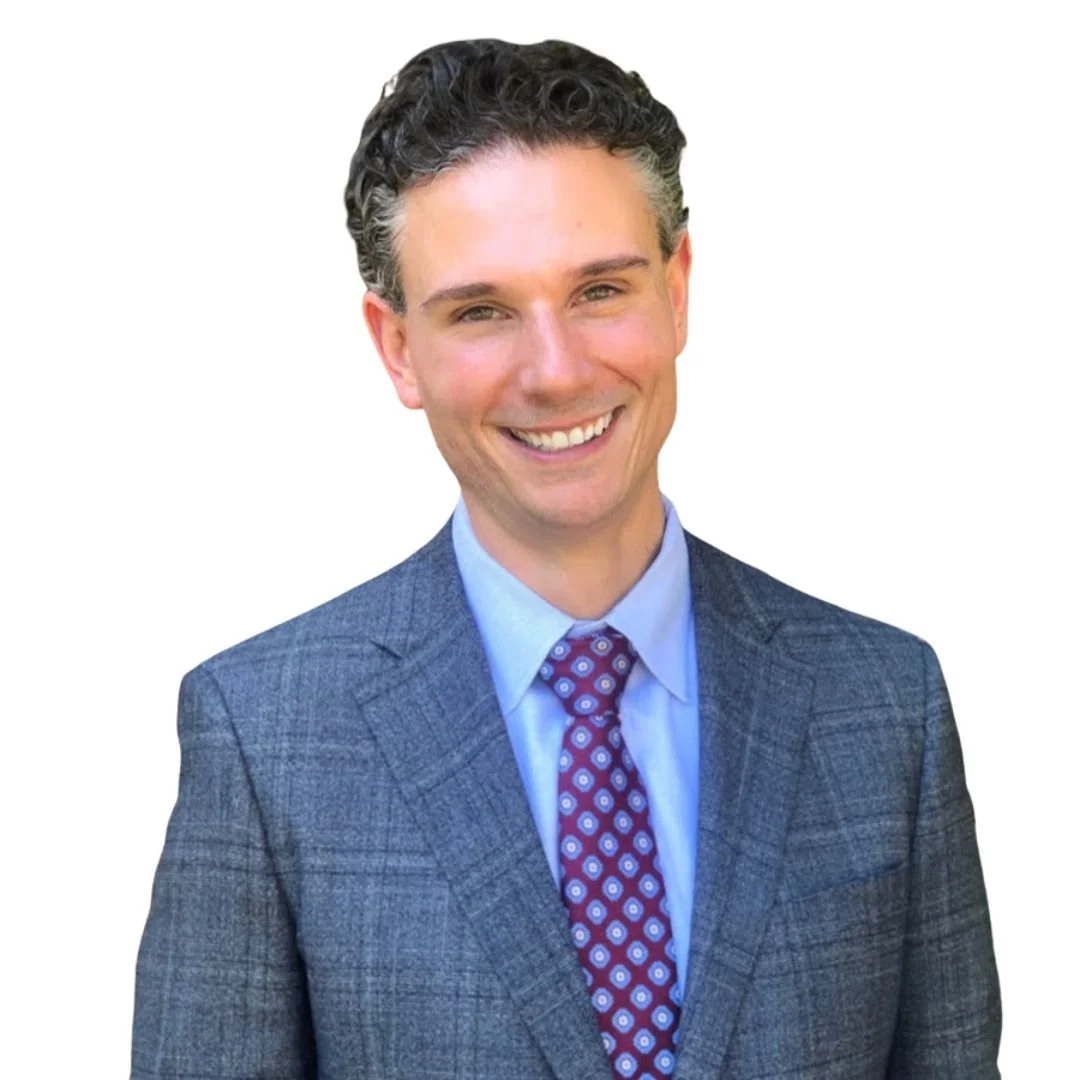
Direct Care Urology with Dr. Joseph Pazona
What you'll learn in this episode:
Why physician burnout often becomes the catalyst for innovation—and how to turn frustration into opportunity
How VirtuCare’s telemedicine model expands access to care in rural and underserved communities
Key lessons from physician entrepreneurship, including mindset shifts, adaptability, and building sustainable care models
And a lot more!
Here's how to connect with Dr. Joseph Pazona
Find him on:
Website:
LinkedIn Profile: linkedin.com/in/joepazon
VirtuCare with Dr. Joseph Pazona– Reimagining Access Through Telemedicine
When most physicians consider leaving traditional practice, burnout and loss of autonomy are often the tipping points. For Dr. Joseph Pazona, a urologist and CEO of VirtuCare, the shift toward entrepreneurship was driven by a deeper question: How can we get patients to the right doctor faster—especially when geography and resources stand in the way?
Rather than stepping away from medicine, Dr. Pazona chose to redesign how care is delivered.
From Traditional Urology to Healthcare Innovator
After years in conventional healthcare systems, Dr. Pazona experienced the same frustrations many physicians face—limited control, administrative burden, and an inability to meaningfully change broken processes. Those challenges sparked a mindset shift: instead of trying to fix the system from within, he began building something new.
“I reached a point where I felt hopeless—like I couldn’t change anything. That’s when I realized I needed a different path.”
Addressing Rural and Underserved Care Gaps
VirtuCare was created to solve a very real problem: patients in rural and underserved areas often wait months to see specialists—or never get access at all. By combining telemedicine with strategic in-person care partnerships, VirtuCare shortens the distance between patients and specialists, improving outcomes while reducing unnecessary delays.
“There’s gotta be a better way to get patients in front of the right doctor more quickly—and that’s what we’re building.”
Building a Sustainable Telemedicine Model
Dr. Pazona shares the realities of building VirtuCare—from recruiting and supporting physicians to forming relationships with hospitals and navigating operational challenges. Adaptability, he explains, became essential—not just in business, but in leadership.
“You can’t do everything, and you can’t do everything well. Knowing where to focus is what makes growth possible.”
Lessons in Entrepreneurship and Mindset
Throughout the episode, Dr. Pazona emphasizes that failure is part of innovation—and that learning from it is what matters most. He encourages physicians to clearly define their personal and professional goals, and to recognize when traditional employment no longer aligns with those goals.
“Every time you say yes to someone else’s dreams, you’re saying no to your own.”
Advice for Physicians Exploring Alternative Paths
For physicians curious about direct care, telemedicine, or entrepreneurship, Dr. Pazona offers practical guidance:
• Understand the problems you’re truly trying to solve
• Build supportive communities and partnerships
• Be willing to adapt, iterate, and learn from setbacks
• Give yourself permission to explore non-traditional paths
This episode is a powerful reminder that there’s more than one way to practice medicine—and more than one way to make a meaningful impact on patients’ lives.
TRANSCRIPT:
Dr. Tea Nguyen (00:53)
Today's conversation is a little different, and that's exactly why you should lean in. My guest is a former direct care urologist who made the bold decision to close his own clinical practice to build a business model that gives other urologists flexible, sustainable work while expanding access to care for underserved communities. This isn't a story about quitting medicine. It's about redefining what contribution, impact, and alignment can look like outside of the exam room.
If you're a direct care doctor who's ever wondered what other models are possible or how your skills could create leverage beyond your own current patient panel, i.e. you might be looking for a sidekick as a physician building your direct care practice, this episode will stretch your thinking in the best way. Let's dive in.
Dr. Tea Nguyen (01:45)
Welcome to the podcast, Dr. Joseph Pazona.
Dr. Joseph Pazona (01:48)
Hi Tea, thanks for having me.
Dr. Tea Nguyen (01:50)
I'm glad you're here. I invited you because you have some very interesting insight as to the problems that we all face as specialists. So you're a urologist by training and I saw that you started a business called VirtuCare where you are providing solutions to underserved populations. Do you mind talking a little bit about where your background is and how you decided to start this type of business?
Dr. Joseph Pazona (02:17)
Yeah, it certainly is a little bit of a story. So, so please humor me and feel free to interrupt. Uh, I went into healthcare, I think like many people, not really knowing what I was getting into. There were no doctors in my family. I was good at math and science as a kid and seemingly wanted to help people. So it just seemed like a natural fit. And so after I finished my training back in 2008, as a urologist, I very much had the mindset of, well i'm going to focus on, you know, all the doctor stuff and I'll leave everything else to the business people because I had no business background, no MBA. I was a psychology major. I just wanted to focus on being a doctor. And so I took my first job out in rural Washington state. I had lived in the East coast of the Midwest for a while, and I wanted to see some mountains and be a part-time ski bum. And while I was out there, I was with a great group.
We did everything. I was able to utilize all my skills and training. But I started to see some of the challenges. From the patient's perspective, I saw that when you're living in a small town USA, even a 20 minute drive can be scary. That even getting to a doctor's visit ⁓ requires so many resources that maybe others of us who've lived in big cities don't really appreciate appreciate and how big of a struggle that is. I saw that when you can't get in to see the right doctor quickly enough, bad things can happen. I often share a story of a poor woman who was sent to me after six months of what her provider thought were urinary tract infections and she actually had bladder cancer. And so I just started thinking
Hey, there's got to be a better way to get in front of the right doctor more quickly. And also at this time, I started realizing the downside of giving up control to your day-to-day life as a healthcare professional. I started being told, well, Dr. Pazona, that's not how we do things here. Or this is the way we've always done things. And I'm sure if you feel similar to me, nothing is going to drive me crazy than saying that's the way we've always done things.
And so I just felt I was in a very complacent place. reached a point where I felt hopeless, where I couldn't change anything. felt like I just had to accept that I was just going to coast the rest of my career and I wasn't ready to do that. So I took a job to be a chief of neurology and head of robotic surgery at an institution down South. It was an opportunity on paper to, as they said, build a practice of my dreams.
I have decision-making ability to really shape things the way I thought they should be shaped after being out in practice. And I got down there and quickly realized I had no decision-making ability. I had no authority. I was simply just another employee. And they said what they wanted to say to get me to move my family down there. And we ran into a lot of the problems that I think a lot of us physicians run into in rural markets. You have limited resources.
You may be in an area where it's hard to attract high quality talent and support. And so ultimately it just got to a point where burnout was high, continuing to work the way we were was untenable. They had ultimately lost about five urologists in two years. And so he went into the leadership and said, guys, this isn't working. You brought me in here to build and shape things, but yet you've handcuffed me. I don't have any decision-making ability. So here are the problems. How are going to fix them?
And they looked me in the eyes T and said, Joe, we're going to fix this. And they fixed it a few months later when they fired me. And so it was at this moment, this low time in my career where I had my aha moment that there was no system that was going to put me in a position to practice healthcare the way I thought it should be practiced. That no one valued me as much as I did or my patients did and that I really had to now start creating my future. And that's what started me on my entrepreneurial journey. I ended up in Nashville, ended up opening a brick and mortar practice in the middle of the pandemic. And I ended up starting Virtue Care because I saw the struggles of healthcare in rural America from the two most important perspectives. The patient who wasn't getting in quickly enough with the right doctor because there wasn't enough of us around to serve them.
And from the physician and healthcare professional side, where I felt like we were just on this hamster wheel, where we were just being told to be quiet, do your job, click this button, go to this meeting, see another patient, all while we saw our pay go down, our autonomy leave the building. And I just wasn't having it anymore. And so that's the not so brief version of how VirtuCare started. It really started out of a place of necessity and a place where I was in a position where I had to go create something that was better for me and better for patients.
Dr. Tea Nguyen (07:22)
My therapist said I shouldn't use the word trigger because everyone's using the word trigger, but I know our listeners have probably been in the same predicament where they walked into a date and what was on paper is not what was delivered, right? They hooked you and then you move your whole family and you get there and they're like, actually, you just needed to be a cog in the wheel. You were just, you know, a title that we needed to fill this position. And then suddenly you get dislocated in this space and now you're like you wake up and you're you say it's true nobody else can care about me as much as I have to care about me and what I need to do and you decided to do exactly that. So tell me about where you are as you're telling us going through this journey of you deciding to open virtue care. Do you also have a direct care practice or are you exclusively offering this telemedicine service to rural underserved areas?
Dr. Joseph Pazona (08:19)
Yeah, so I made the classic entrepreneurial mistake of, if one business is a good idea, two would be a really great idea. Now, in my defense, if I may, ⁓ when I moved up to Nashville and I had a little quick detour, I joined a multi, I joined a practice after leaving my job down in Alabama and I needed money. I needed to start seeing patients. And so I joined a practice and then COVID hit.
Dr. Tea Nguyen (08:27)
Yup.
Dr. Joseph Pazona (08:50)
And it was during COVID, which I think a lot of businesses got exposed and it quickly became apparent to me that this practice I had joined was not going to make it. You know, when, when overhead outpaces revenue, I'm not an econ major, but it's not sustainable. And so I started with the idea of, I've got to pay some bills. All I know to do at this moment is how to be a urologist. I know business background. So I started my own practice.
And that was Pazona MD Urology. It's been through many iterations from solo practice with just a couple of virtual assistants taking every single insurance and doing everything to what we are five years later, which is now a direct specialty care practice where we're out of network with all insurance. We've niched down to focus on vasectomies, men's health and wellness. So it's been through a number of and I think that's one of the first lessons I learned in business is ⁓ it's okay to fail in business. What's not okay is not learning from it and not changing quickly enough. And that's so different than healthcare, right? Where errors are just never acceptable. I mean, our bar for outcomes is up here. And if even if we do the right thing and someone doesn't hit a right outcome, we could get labeled as a bad doctor. We could be sued. Whereas in business, you want to iterate quickly and change. And unfortunately, when you're trying to operate a practice in a broken economic model, which is the health care system, you must pivot and make changes. And so over the four and five years, I've transitioned to that with practice. On the flip side, I saw the bigger problem with the rural health care challenges, and that's where Virtue Care started. But for those who've never ventured into the B2B, selling to hospital executive space, it's a grind.
And as a surgeon who's very impatient, I know that comes as a shock to you and listeners. I want to fix the problem and get immediate results. It takes a long time. mean, there are conversations I started three years ago that finally are paying off. Decisions you make, and you don't know whether it's the right decision for six plus months. And so I saw the bigger picture. I knew virtue care could be something.
We developed his innovative care model where we leverage both remote doctors and in-person fractional doctors to build service lines in these communities. But it took a while to get that going. And so there were moments where my brick and mortar practice were paying the bills and supporting me while I was working on virtue care in my part-time. And now over the last four months or so, it became clear that virtue care has broken through the wall.
Because no one else is coming in and solving this problem of not enough doctors in rural markets, that is now where my biggest impact is going to be, and that's where I need to put all my attention. So as of just about a month ago, I had my last clinic of patients. I've hung up my hat of urologist, and I've now taken over as CEO of Virtucare. I've handed my direct specialty practice to a trusted colleague and a team that we've built up over the years. And this is my focus now, where I'm now a CEO and I'm not a physician, but I'm using all of that clinical experience to try and make the biggest impact that I can, because I can only see so many patients in a day, whether I'm in an insurance model or a direct pain model, I'm capped by what I can do. But if we can build a system and teams and leverage a smart model across the country,
Now we can deliver urology care simultaneously to tens of thousands of patients. That's been my journey as I've gone through different, you know, business models and iterations. And I didn't have a plan to make it happen this way. It's just, I think I've been smart enough to learn from my mistakes and be willing enough to bet on myself and to pivot when the time was right.
Dr. Tea Nguyen (12:57)
I feel like we're parallel playing that a lot of us who become doctors want to solve problems. And we think the only way to do that is to be employed or to work with insurance or whatever that looks like. And then suddenly we see the problems arise and then we're trying to solve those problems. And especially as a surgeon, we're like, we've got to fix it fast. Like our people need us. And then we go through this evolution of like, okay, we think this is the next step. We think we need to open our practice next. You know, and that's, that's where I am right now.
But as you said, my time is limited. If I'm sick, the patient can't be seen or I have to build up the team for that. And my impact is limited to those one-on-one interactions. And so from there, we created a new problem. like, but we actually want to help a lot of people. Like, how do we actually do this? And so, as you said, as crazy as we are, we continue to build another business. So we did consulting. We teach people how to open a direct care practice.
As we evolve as individuals who know, no one's ever taught us that our medical degree can take us so much further than what we were fed. We were fed, at least for me, you private practice is dead. Go get employed, get your paycheck, be done. Life is hard on the other side, right? But you and I are sitting here and we're saying, actually, we've got a lot of influence in our circle as to what we can do to impact a greater amount of people. So you are here giving jobs to urologists and you're providing services to underserved populations, working business to business. Now, I don't know if a lot of our listeners understand business to business type of jobs or type of businesses. Could you go into what that means? You wore the hat of the doctor, the surgeon, the employee for a little bit. I'm sure you're like, never thought, thought maybe didn't cross your mind that maybe I can just serve my clients who are going to be hospitalists or was that something that was living in the back of your mind? Tell us what that was like.
Dr. Joseph Pazona (14:52)
Yeah, so my initial thing that I thought of, and this was even pre-pandemic, was how do we create more leverage as health care professionals? I thought it was silly that I kept having to move my family, get a state license, enroll with insurance carriers, get credentialed at a hospital, join a practice, and that there's just this only one way of path of me serving people.
And in urology, most people don't realize, or maybe they do, that a lot of what I do is counseling. And the pandemic showed this, that about two-thirds of what I do in a clinic, I can do remotely via a telemedicine visit. Counseling patients on erectile dysfunction, reviewing options for an elevated PSA, walking people through the different surgeries to do for an enlarged prostate or a female incontinence.
I don't have to put my hands on every single patient to provide value. And so initially I thought I was gonna do a B to C or direct to consumer business where I got the crazy idea of, let me learn this whole marketing and SEO stuff. Let me build a website. Let me go get a bunch of state licenses and easy peasy. I'll just write a bunch of blog articles showing how I can help people and all the problems I can solve.
They'll click on a button, they'll pay me some cash and I'll do a telemedicine visit. What I didn't understand was that you could have 40,000 people coming to your website, but unless you had built a marketing machine and funnel, ⁓ you were going to see about five people a month. And again, wasn't an econ major, but I wasn't going to pay bills on five times, you know, an $89 a consult. So I quickly pivoted and said Instead of trying to go after individual patients and individual states and be at the right moment at the right time for that particular person, let me instead go and tackle the problem of there's 1,100 job postings for urologists right now, and yet there's only 300 of us finishing training. And of those 300 docs, 95 % are going to take the advice you and I have been given. Go join the academic group, go join the large practice, be employed, be a good soldier, you can't make a private practice work. And so I noticed these jobs were just never getting filled year after year after year. And so I came up with a business to business model where I said, instead of me opening practices all over the country and scaling, which is what I was trying to do at a moment with my brick and mortar practice, wouldn't it be easier if instead I bring a model, a team of remote and fractional specialists, partner with the hospital and say, listen,
We can do better than what Locums is doing right now. We can do better than just having some 27 year old kid who's cold calling doctors all day just send you a doctor and say, good luck, I hope it works out. Can I have my paycheck? We instead can partner together, build a clinical service line, teach you about how to market urology services, introduce you to vendors so you're doing the right procedures with the best equipment. Bring in doctors who are semi-retired.
female doctors who have felt marginalized because they tried to be a mom and oh, God forbid, decided not to work full time. And instead of letting them sit on the sidelines, let's leverage all of that wonderful experience and patient care that they still have to offer. And let's create a more highly leveraged fractional model. And that's what we did. And it was during this time where I got my, you know, again, my, I guess, school of hard knocks, MBA in a B2B sector.
You know, when you're selling to hospitals, it's a relationship driven business. You know, it's not, you know, figure out some fancy algorithm on a meta ad and like you're selling t-shirts or, you know, trying to go viral on some platform, you know, you know, if we're burnt out and busy, so are our hospital executive colleagues. And I have so much respect for them. I know it's easy to have this us versus them mentality, but over the last five years, I've learned how many of them are good people who want to provide for their community who don't like going out to dinner and having people go, why don't you have a urologist yet? And so all that takes time and genuine relationships take time. so it's for the in-patient surgeon, it's been quite a learning experience to learn how to quote, do sales to hospitals. And it's less about sales and more about relationship building. And equally it's about storytelling and also motivating and hopefully inspiring colleagues because it's as much about talking to hospital executives as it is talking to urologists. And over the past several weeks as our business has grown, I've probably spoken to 50 to 100 urologists and doctors of other specialties and heard what they've been through and their stories because you realize we all have similar stories. We've all to some degree been through It's a broken system. No one's immune to it. We may have different problems we're trying to face. We may be in different micro environments that could be better or worse. And we're also different people. ⁓ But that's really where I feel we're starting to see a change here is that people understand that they're not alone. You have options, whether you're a hospital executive who's been trying to recruit a doc for eight years and hasn't worked or a doctor who's feeling burnt out in the sidelines and you're feeling hopeless like I did years ago.
Dr. Tea Nguyen (20:25)
That’s a lot of important information. And I really wanted to take it back to the female urologist who wants to work part-time and how you help that individual. The reason why that one is really, it sticks out to me is because I'm a mom running two businesses. And what is a life? You know, it's hard to find space when every day we're subjected to the criticism of...
How dare you work less? How valuable can you really be if your whole heart's not in it, right? And so we're constantly battling the expectations of others out there. And so I'm curious to know, how do you hire on doctors, urologists? How do they get paid? And how do you get the hospitals to be on board with what it is that you're doing, the system that you built?
Dr. Joseph Pazona (21:14)
Yeah. Thank you for bringing attention to this. I think it's really shameful that female physicians face a challenge that, listen, I'm the white guy in the room. I have no place to stand on anything. No one's ever feeling bad for me, and rightfully so. But I see it. And it's shameful because, first off, I think some of the most brilliant physicians that I've worked with are female colleagues. We think of urology as this male dominated field and yet it's the female ones I probably respect the most. And they come with just such an empathy as well as a brilliance and a calmness to whether it's a difficult surgical situation or a sensitive urologic issue that I think a lot of guys kind of with their bravado miss. And it's not to say that there aren't wonderfully empathetic male doctors as well, but. And so I look at it and I've got a daughter, she's 16, she's expressed an interest in healthcare. And I think it starts with this lie we tend to tell, honestly, all doctors, but I think potentially women as well is that you can do everything. And the sad fact is you can't. Now you can do anything but you can't do everything and you can't do everything well. And that if our only model for us giving our service and our expertise to patients is you must be employed, you must work hard time, you must miss your kids soccer practice, you're not allowed to be a mom or a dad or whatever other role you wanna be, you must be dedicated to this profession and sacrifice everything, your health, physical, mental wellbeing, your relationships.
What are we left with? And we're seeing that now. We're seeing a generation of docs who are retiring who don't know what else to do. And ⁓ we need to have alternative care models. So one of your questions was, how do I talk to doctors? How do I recruit them? I think first and foremost, I share my story. I listen. I tell them that they're not alone. And when I can tell that they are a good doctor, and of course we've try to do our due diligence with quality control, however you want to label a good doctor, but assuming you seem like you know what you're doing and you're easy to work with, we meet them where they are and go, listen, Dr. Nguyen, I want to work with you. What works for you? Well, I can give you Mondays. Fantastic. Let's find a job that gets you to work on Mondays. And we're finding that we're getting to answer your part two question of how the hospital executives are taking it. I think they know there's a problem.
You know, when you have a job posting for eight years and you don't fill it, you can keep hoping and dreaming for that white knight to show up and plant their stake in your community and say, I'm practicing here for 30 years and I'm never leaving and I will be your everything. It's just not reality. And so when I come to them and say, listen, I'm going to bring high quality, empathetic team of doctors to your facility and I'm going to partner with you to make sure that this is successful and we're never going to compromise on patient care and I'm gonna be a good fiduciary and make sure we do so in a financially responsible way that we never sacrifice quality, that we invest in your team and I'm gonna invest in my team and take care of them. Then they get it and they see the value of a team-based approach because if you've got one doctor running your service line, that service line has a time limit to ticking time bomb, whether it's in 30 years or three months.
You just don't know it, but that doctor is just going to ultimately leave. And so they realize that if you come with a team model, it's sustainable. And then in terms of our doctors, you know, I'm, I'm a fellow physician. You know, I tell all the docs, I talked to the phone, listen, if I don't treat you well, I'm not going to have a business real quickly. Word travels quickly in physician circles and especially in neurology. It's a very small field.
You know, we try and stay on top of what the latest rates are for in-person versus remote care. We make sure we take care of all their expenses. There are 1099 contractors who are going to walk away with a flat fee. We're doing everything we can to help out with credentialing and all the fun administrative work it takes to get involved with hospitals. And, uh, you know, we're, doing everything to, to treat them like humans and to just show them respect. mean, I think that.
It's not pizza parties that are gonna fix physician burnout. It's just listening and having a conversation and treating people fairly. Not everybody's trying to make a seven figure salary. Some of us just wanna be heard and treated fairly. And we also wanna be part of something special and that matters. And I think that's the other thing that we're recruiting a special group of doctors. They see the impact that they're making. They see that...
Our satisfaction scores in clinics are 99%. We hear the stories of the guy we diagnosed with prostate cancer and the woman who had her incontinence treated and she can now go back to running marathons. And I think most of us are mission driven leaders in healthcare, but we get so burnt out that at the end of the day we lose that mission because we're just trying to get by on a day to day basis. So It's exciting to see the micro changes that we're making. And this is why I'm so passionate about putting my time into this is to have that landing space for the female physicians or the retirees or the Joe Pazona from eight years ago who were unemployed and felt lost and to help serve those patients so that they don't have to travel to get the care they deserve.
Dr. Tea Nguyen (27:03)
I have a question in regards to collegiality. You know, we have a hospital out here and they suffer from getting specialists to get on board and to stay. It's, there's a high turnover in all specialties. And when they first introduced telemedicine access, the in-house doctors did not like that. They felt that that was a competition. And so I'm curious if you provide telemedicine urology, but the patient needs hands-on care, surgical care.
How does that work? What's the relationship like within that community to ensure that everyone is doing the right thing for the patient, but also everyone is getting what they're putting into the work?
Dr. Joseph Pazona (27:46)
So to clarify our model, the way it works is when we form a partnership with the hospital, we're going to help them recruit, hire, and then we're going to train a local nurse practitioner or PA. Because although there aren't enough doctors to go around, in many communities there are a surplus of PAs and NPs, many of which who don't find primary care or urgent care as they're calling, but
How do you break into a specialty if you don't get trained? And so what we've done is we've created a curriculum, ⁓ we'll call it a mini urology bootcamp to supercharge their education during the recruitment period and the credentialing process. And then we're gonna assist the hospital in opening a local brick and mortar practice where that APP is going to be the provider of record. Our doctors are gonna then come in remotely and work with that APP in a real time daily basis to make sure that patients get the care they deserve. And so that involves morning huddles where they're running through the entire list of patients coming in, looking at CAT scans together, reviewing lab tests, being available via text phone, as well as video calls. So when patients have more complex questions, say, Mr. Jones needs to get counseled on his Gleason 7 prostate cancer. Could you talk to him about that's a very nuanced conversation that is a physician level conversation until you're really experienced. Great, you dial up our doctors because that's our doctor's only job. That allows the mom to work from home. And rather than sit there and type notes and button click and take every last part of a history, instead we're bringing you in for the most highly leveraged parts of each patient's visit, respecting your top of license.
and allowing you to impact more people with less of your time. Then when our patients need an exam, the APP is there, we can walk them through it. And then when they need a hands-on approach to care, for urology that would look like a cystoscopy, stone removal, minimally invasive procedure, we send surgeons to that facility to do bread and butter outpatient cases. So we're really doing 95 to 98 % of what I've been doing, just even here in my brick and mortar practice in Nashville. Now, obviously we're not on site 24 seven in all cases. So there's still the, you know, foliate two in the morning or the septic stone patient who needs to get transferred. But that's happening in that community anyway, because they don't have anybody. And that's where we're typically coming in and partnering is they don't have any resources. And if anything, we're seeing the acute issues decline.
because if we can catch a disease process early on, we're gonna treat that BPH before it heads to urinary retention. We're gonna get someone in and take care of their kidney stone before they get septic and they've been sitting around and colic for several weeks. So is our model ideal? No. I wish I could clone us and I don't know if Elon's gonna meet his goal of sending robots all throughout the world and doing surgery better than I can.
We could have a debate on that one, but until we find a way to train a lot more doctors and until we fix a system that keeps the doctors engaged and not burnt out, we have to come up with practical solutions. And that's how I view our model is we're taking doctors who are already on the sidelines, who right now don't have a way of providing value and giving care and allowing them to serve these communities where they haven't found anybody. So
That's how our model works. It's not a traditional telemedicine model, as I think most people would think. And then I'll just end on something you said earlier. I take more of an abundance mindset when it comes to patient care. In my mind, there are not enough doctors, too many patients who need help, and there are too many doctors doing low leverage tasks.
And so I would challenge any doctor who feels like, this is invading my turf. No one can really decide whether your turf gets invaded. And if you're in a field where that's at risk, then welcome to the industrial world where jobs can be eliminated overnight. mean, I think if I were a radiologist, I'd have some real, real concerns about his AI coming for my job. And although I may disagree with Elon, I'm also not going to put him past it that we should prepare that there could be robotic surgical things that work autonomously without us. And so it falls upon us to constantly show our value and demonstrate, because I don't think what will ever go away is the need for human touch, human connection, human relation, and nothing can replace your experience, my experience, or a colleague's experience as we deliver patient care. So I think we've got a lot of problems we got to fight. And I think if as physicians,
We're saying no to things because we're scared it's going to invade our territory. I think if you're a good doctor, you've got nothing to worry about. If your doctor's not providing great care, yeah, you should worry. But I'd also question why are you doing this?
Dr. Tea Nguyen (33:09)
We love a good competition. I feel like the more the merrier, honestly, there's, there's a place for everybody. My last question for you here, maybe is do you bill insurance? Anything you do?
Dr. Joseph Pazona (33:21)
We do not, we are 100 % cash business, both with our local direct specialty practice, as well as with VirtuCare.
Dr. Tea Nguyen (33:29)
So the doctors, the urologists who become part of your team, they're a 1099, they get paid some flat rate. If they can't handle a surgical case, then you can deploy a urologist to that site? Is that what?
Dr. Joseph Pazona (33:44)
Yeah, so the way the model typically works is our remote doctor and our APP are going to work up patients. When they need surgical care, we're going to line them up on pre-designated block surgery days. At a critical access hospital, that may be one day a month. We've got facilities we're going to every other week for several days in a row. Again, because we take a team approach, we're talking proactively to the surgeon. And we're saying, OK, what do you do?
What do you not do? Let's review your cases that we've lined up. Let's get clinical care pathways, preoperative order sets. Let's think about this in a thoughtful clinical way, rather than, again, the Locum's model, which I think is our current paradigm for part-time care, which is you throw a doctor into a place, they go in blind, they have no idea what's going to show up. They do the best they can while they're there. And then when they leave, they have no idea what happens to patients.
We really again take this team-based approach to make sure that that surgeon is set up for success. And if we decide that a patient's too sick, it's a complex or higher acuity level of care that is better served at a tertiary care center, then we'll make sure that patient gets over to the correct place for that level of care. But a lot of urology is elective non-urgent.
Dr. Tea Nguyen (35:05)
So for the direct care doctor or soon to be direct care doctor listening and you know early in our practice, we're not making a lot of money right off the bat, right? Is this a plausible job as they build up their direct care practice without having to cross any lines, do anything illegal, know, billing and all the things. Would this be a viable option to have that part-time job?
Dr. Joseph Pazona (35:28)
Absolutely. You know, I would say outside of new newly retirees who can't seemingly stay fully retired and working moms. We have a number of ⁓ early career docs or even mid-career docs who have an extra admin day and are looking for side gig income, or they're building up that practice, whether direct specialty care or in the broken insurance model. And we're able to be a source of income for them as they're building it up because
I think it's very easy for you and I to romanticize the direct specialty practice, but you and I also both know that we trade an operations headache now for a marketing and sales headache because not everybody is ready to spend their direct cash on healthcare services, even though you and I both know they're already spending money on healthcare, just going towards insurance premiums. so it absolutely can be done.
I think an exercise that I found helpful that I'd like to leave the listeners with is, you know, first and foremost, take some time and give some thought as to what it is you really want out of your life. And I'm not just talking about professional, I'm talking about personal. Because again, I think we're too often lied to that we can do everything and we really can't. And so get crystal clear on what truly matters to you. Because when you keep saying yes, to committee meetings and more button clicks and broken insurance models, you're saying no to your autonomy, maybe time with your family, maybe your sense of purpose. And so you're always making trade-offs, you just may not realize it. And that once you get crystal clear with what it is you want, and I wanna challenge you, you can do it because I think you and IT are two perfect examples of people broken free of the broken system, and are thriving. Now, thriving doesn't necessarily mean we're making the most money we could, but I follow you as well on LinkedIn. I think that it's fair to say you're enjoying what you're doing and you enjoy practicing now, just as I do. But it takes getting crystal clear with what it is you want. And then the second thing that is so powerful that we don't learn is the power of no. You have to start saying no to things.
Because every time you say yes to someone else's dreams, you're saying no to your dreams. And I think as someone with zero business experience, no MBA, I don't have any rich uncles. Although actually I do, but they're in the pizza business and they're just cash and they haven't shared any of it with me. ⁓ That even without a golden parachute or any business sense, here's a dumb plumber who figured it out and is still figuring it out.
Because like you said, if you can get through medical training, business is simple. Now it's difficult. It's not easy, I think, whereas medicine is complex and it's difficult, so worst of both worlds. When you go to a direct pay practice, when you go after things in more of a business mindset, you can create simplicity by saying no, by getting clear with what you want. And so.
I hope today's conversation inspires some of our colleagues to start saying no a little bit more and to, you know, go and dream big.
Dr. Tea Nguyen (38:58)
No is my favorite sentence, so you've got me there. Well, thank you so much for sharing your insight as to what life could look like for any doctor who is fed up with the system. If people want to get in contact with you, what's the best way?
Dr. Joseph Pazona (39:13)
Yeah, I think the easiest way is go ahead and find me on LinkedIn. You'll usually find me ranting about something related to our broken healthcare system, physician burnout, trying to be an inspiration, sharing all the mistakes that I've made. So you just look up Dr. Joseph Pazona, P-A-Z-O-N-A on LinkedIn and find me there. If you want to chat, shoot me a DM. I rarely, if ever, turn down conversations with any physician you know, and the healthcare professional who's taking care of patients, you know, I want to, again, give back in a way that the countless people who gave to me as I was making this transition, because, you know, we're taught too often in healthcare that we've got to do it all alone. And there's a weakness to asking for help. And nothing could be further from the truth. So ask for help. There are good people out here.
who want to help and give back. And if I can help someone get out of burnout more quickly than I did, it'd be my pleasure.
Dr. Tea Nguyen (40:16)
Definitely. Thank you so much for being here. I'll catch you on LinkedIn.
Dr. Joseph Pazona (40:20)
Sounds great to you, take care.

Grab The Free Direct Care Guide For Specialists
Just enter your email below and we’ll send it straight to your inbox — and don’t forget to check your spam folder just in case!