

Episode 248:
Rockford Pulmonary Clinic with Dr. Tabassum Nafsi, MD, FCCP
WITH DR. TEA
·
DIRECT CARE PODCAST FOR SPECIALISTS
·
WITH DR. TEA · DIRECT CARE PODCAST FOR SPECIALISTS ·
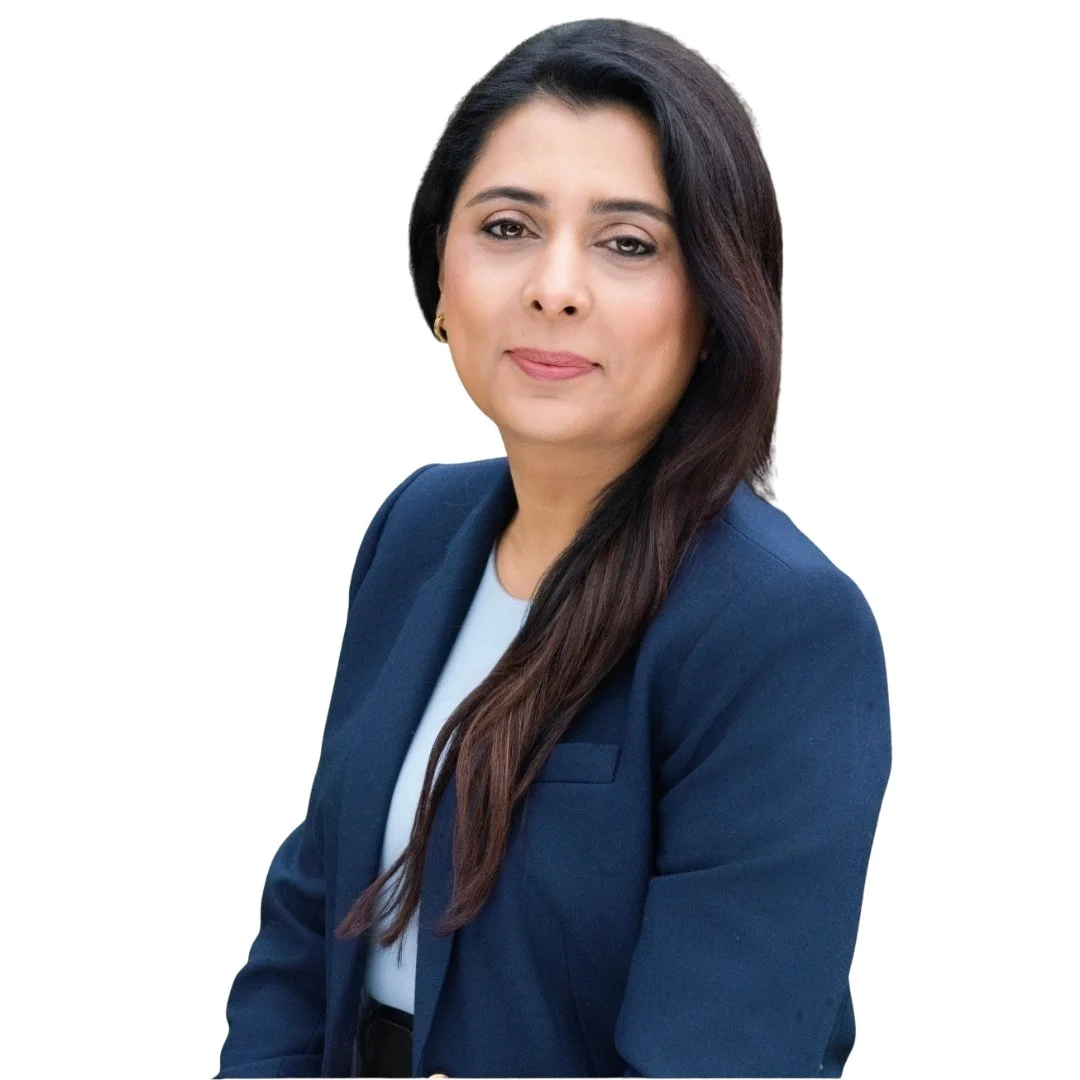
Building a Direct Care Pulmonary Practice with Dr. Tabassum Nafsi
What you'll learn in this episode:
How Dr. Tabassum Nafsi left hospital medicine after 15 years and built her own pulmonary practice.
How she started Rockford Pulmonary Clinic with just $5,000 and grew it part-time.
How owning her practice gave her the freedom to offer free lung cancer screenings and serve her community differently.
Why you don't need to have everything figured out before taking the first step toward independent practice.
And a lot more!
Here's how to connect with Dr. Lauren Hartman
Find her on:
Starting with $5,000: How Dr. Tabassum Nafsi Built a Direct Care Pulmonary Practice
After years in hospital medicine, including leading a COVID ICU and directing Pulmonary Rehabilitation, Dr. Tabassum Nafsi, MD, FCCP, knew she needed a different way to practice medicine.
She wasn't ready to walk away from patient care. She was ready to build something of her own.
Today, she is the Founder and CEO of Rockford Pulmonary Clinic in Illinois and the Founder and Medical Director of The Nafsi Institute, a women’s hormonal and metabolic medicine practice.
And she didn't start with a huge investment or a perfect business plan.
She started with just $5,000.
Starting Small and Building Along the Way
Dr. Nafsi began her pulmonary practice part-time, working with a lean setup and figuring things out as she went.
She used affordable furniture, started without staff, and grew the clinic as revenue allowed.
Getting patients wasn't automatic. She reached out to primary care physicians, sent emails, dropped off cookies, used Facebook, and made connections in her community.
One opportunity stood out: local patients were waiting nine to ten months for pulmonary appointments. She could offer something different—access to care much sooner.
Why Membership Didn't Work
Not every direct care model works for every specialty.
Dr. Nafsi initially explored membership, but it wasn't the right fit for her pulmonary practice or local patient population.
Instead, she found that fee-for-service worked better.
Her experience is a reminder that physicians don't have to copy someone else's business model. You have to understand your specialty, your market, and what your patients actually need.
Creating More Freedom in Medicine
Owning her practice changed more than Dr. Nafsi's schedule.
It gave her the ability to rethink how care was delivered, be more conscious of testing costs, and make decisions based on what would actually help the patient.
She now spends about 15 hours a week in her pulmonary clinic.
That freedom also allows her to build other programs and pursue work that matters to her beyond routine appointments.
Beyond the Exam Room
One of the most meaningful parts of Dr. Nafsi's work is her commitment to community care.
Through donations and local partnerships, she has helped provide free lung cancer screenings, CT scans, pulmonary function tests, and consultations for people who might otherwise go without them.
Her practice has given her the flexibility to make this kind of work possible.
Her biggest lesson for physicians?
You don't need to have the entire plan figured out before you start.
Do your homework. Understand your market. Start with what you have. Build, learn, and adjust as you go.
You don't have to build someone else's version of direct care. You can build a practice that works for you and the patients you want to serve.
TRANSCRIPT:
Tea Nguyen, DPM (00:53)
I have Dr. Tabs Nafsi here with us. She's a pulmonologist, and she's got a really unique setup that I want to share with you all. So, welcome to the podcast.
Dr. Tabassum Nafsi, MD (01:03)
Thank you. Thank you for inviting me.
Tea Nguyen, DPM (01:05)
You own Rockford Pulmonary and I had to pull this up on the map 'cause I had no idea where it was. So you're in Illinois. I used to live in Michigan. So like you go to Chicago and I used to live in Des Moines. So you're kind of in the middle, right? Between the two.
Dr. Tabassum Nafsi, MD (01:20)
Yes, yes. So we are eighty miles west of Chicago essentially.
Tea Nguyen, DPM (01:25)
Where are you from originally?
Dr. Tabassum Nafsi, MD (01:27)
Pakistan.
Tea Nguyen, DPM (01:28)
Okay. So tell us about your practice. How did you come to your direct care practice? 'Cause we had chatted about three years ago and you are now three years into your practice. I'd love to see the evolution of how this came for you.
Dr. Tabassum Nafsi, MD (01:41)
So I didn't start actually. I didn't even know about direct care as such for a long time. I used to work for a health system for almost fifteen years and I resigned from there mainly because COVID had just burnt me out. I'm a pulmonologist and I'm an intensive care doctor. So, you know, COVID ICU as we all know, it was just kind of brutal. So I quit it and then I was thinking I was gonna do locums for a very long time and the plan was to do moonlighting. I had never heard of direct care. And then as it turns out
I was actually in Walmart and one of my patients saw me there and told me that can you please refill my medications because I can't get hold of my doctor, nobody's replaced you, et cetera, et cetera. And I would just randomly see messages from people and I would refill an albuterol here and there or some kind of a, you know, non-narcotic simple prescription. And then one of my friends was telling me that, you know, I need to have some sort of a malpractice coverage, just, you know, protect myself in case of any kind of problems.
Since I'm obliging to these like personal individual requests on patients that I typically know anyway. And then as I was searching, searching, searching, I fell across the concept of direct primary care. I was like, that's interesting. And initially I was thinking I'll just do a telemedicine, small practice, one small room, one office, see what I can do. And I did my marketing on mostly on f you know Facebook, a little bit. I would say just a month. And then I got a very small office space in Rockford on a rent. I literally bought off furniture from, you know, the marketplace and whatnot. And the first day my my clinic was full. It was a full house of all mostly existing patients, some new patients. And I opened only for two and a half days a week. And that was a plan all along just to keep it fifteen hours, maximum twelve hours perhaps a week kind of practice. And it has stayed like that ever since. I am maintained that because I wanted to devote time to my family as well.
But it has grown and I have learned so much. Thanks to you, Diana, and I know a lot of people from the DPC world as well. I have learned so much and have continued to grow since then.
Tea Nguyen, DPM (03:44)
You have to backtrack. You just jumped over. My first day was full and life was good. Hold on.
Dr. Tabassum Nafsi, MD (03:51)
No, no, no, it's not that good, it's not that easy. No, no, no. It's not. It's not it's not a bed of roses. Absolutely not. I think I just got the encouragement knowing that people need this kind of service. I think that was the whole point of making that statement that the first day was full. Yes, I was full the first day, but I've had, you know, empty days too. And it's a lot of hard work, like you all know, has gone into it of getting the word out. especially if you're not someone who comes from corporate medicine and you don't have lots of, you know thousands of dollars sitting in a bank account where you're doing billboards or marketing and whatnot. It it takes it it is a task. So but I think what I meant by that statement that my first day was full is because I think it just allowed me to understand the pain that people are feeling. And I was like, okay, if they're willing to come to me, that means there's a huge need. I just need to know how to kind of address that need.
Tea Nguyen, DPM (04:41)
Yeah. I mean I think a lot of us just think that we can just open our practice and patients will show up. And I like to say your medical degree is not is is not your marketing degree. I don't know why I blinked out of it. I agree. Right.
Dr. Tabassum Nafsi, MD (04:56)
I agree completely. Actually, you know, I because my experience is I have a double experience, right? I have my own practice, which is Rockford Pulmonary Clinic. I have now expanded it to call the Nufsi Institute, mainly because I have stepped into, I mean, I still practice pulmonary and sleep a lot, but I've because of sleep and women's sleep issues, I've kind of stepped into the metabolic world as well. So I'm kind of you know rebranding myself. But on the side note to all the listeners, I can say I agree with you. If you're not a person with a marketing degree or you don't or you or you cannot market yourself or for lack of a better word, I will say sell yourself. it's hard. And on the flip side of the coin is that I manage my husband's practice. And my husband is a fantastic, fantastic, fantastic physician, primary care, but he is an introvert. So he cannot go out and say, hey, come and see me. So I market for him and I know that his growth has been slower than mine.
And I see the contrast because I will go out and I will go to the chamber and I will, you know, put up tables and booths and he will not do that. So his growth is definitely slower than mine.
Tea Nguyen, DPM (05:59)
That's actually a really good point that you mentioned. He's an introvert and you seem to be more out there. That's not to say if you're naturally introverted, which I think a lot of us are in medicine, we're just we love books. We love to study, we love to be challenged, right? That doesn't mean you cannot succeed. It just means you gotta do a few things to make it happen. So I'm interested in knowing before you had your first day of patience, what did that look like for you? What were you doing specifically to get people to know your practice exists?
Dr. Tabassum Nafsi, MD (06:29)
So actually what had happened was a month before I started and I can tell you because Rockford is a very unique location, there are three big health systems here. And other than plastic surgery, dermatology, podiatry, and dentistry, I would say not a lot of practices are private. In fact, pretty much most primary care has been absorbed by the health systems. There is no major referral system here for me to kind of or or was existed at that time for me to succeed. But because when I left the hospital I was working at, I left a huge void and there was a nine to ten month waiting list. So my whole marketing or at least approach to physicians was that there's a nine month wait list to get a pulmonary function test done or an evaluation done. I can see your patients the next day. And I wrote multiple emails. I dropped cookies myself. I would go and tell them that I can actually see your patient tomorrow, day after tomorrow, or you know, whatever.
And that's why I think in the beginning, a lot of patients were coming to me referred by the PCPs because they knew that they had to wait nine, 10 months to even get a sleep study done or get to see a doctor unless it's lung cancer. You know, so that was my initial strategy. Of course, in the last three years, all these three health systems have hired a lot of doctors now. So that void is gone. but I think now the reputation speaks for itself because not a lot of people will find me on Google or they know someone who sees me or a friend of a friend sees me and they'll be like, you know, I want a second opinion or I like your practice or I like you.and you know, with physicians, as you know, a lot of patients will have their own opinions, right? They might like someone, they may not like someone. So a lot of patients started coming that way. And when I am done I think about two or three TV interviews as well. And when I did the TV interview, some of my older patients recognized me and they came to me. Some of them came to me, which is also important to know, some of them came to me.
But they didn't want to be direct care. They were like, no, no, no, I want you to use my insurance. And I was like, well, I'm not accepting insurance, except Medicare. And I'm a hybrid practice and we can talk about that in a second. So you know, some patients were they came to me, they wanted to see me, but they were not comfortable with the idea of direct care. So they left. So there were a lot of things I think I changed a lot of the things as I went along in the last three years, in terms of pricing, in terms of services I offered.
What am I accepting? What will I what will is it a membership? Is it a one time visit fee? because as you know, in specialty care it's so different. It's not the same as D P C world, but you just charge a monthly membership and a lot of people will be comfortable with it. Because sometimes people are like, I don't want to pay you for the whole year, you know. I just want a one time visit and that's it and be done with it. So I changed a lot of strategies and I'm still learning. I wouldn't say that I have figured it out. I will not be that doctor who will tell you that, I've just aced it and I've figured it out. No, I'm still figuring a lot of things out. But thankfully, thankfully, this year finally after the third year, my practice is such that, you know, I never have to look into my account to see if I have money or not, which was the case in the first two years. You know, I was always checking did this come? Did this come? Do we have money? Can I pay my rent today or not? You know? But now finally after three years, I'm at a stage when I'm like, okay, I could give myself a salary, there's still some, you know, money left at the account for the month.
Tea Nguyen, DPM (09:45)
I think this is the most nerve wracking period of our professional career when we open our practice without knowing when we can pay ourselves. So how did you set this up so that you do pay yourself? What did it look like for you to ensure that there was longevity in your practice?
Dr. Tabassum Nafsi, MD (10:07)
So I actually initially when I started, I would say that because I'm a hybrid model, I always had some sort of money always flowing in because of Medicare billing. And remember in the pulmonary world, a lot of patients are, you know, older than sixty-five or they're on oxygen or something or the other. So a huge bulk of my patients were still in Medicare. so I always knew from the first month onwards that I'll have some, you know, sort of money coming in or coming in from some perspective.
I started very small. I will be honest with you. I didn't start fancy. I didn't start like, okay, I have a huge office or I have, you know, expensive furniture, expensive. I actually gradually built up things, even equipment-wise, that I bought for my practice. I slowly bought things up once I had the money or once I had the capital. So when I initially opened my practice, I think my investment total was around five K. That's all I put for my savings, right? For the rent, the initial deposit, the exam chair.
You know, I bought furniture for IKEA, like tables and you know, cabinets and whatnot, a lot of marketplace stuff. So my investment was very little. I had a simple EMR as well. So when I saw the first, I would say in the first week when I saw twenty five, thirty patients, when I opened up, that kind of made up to almost two to three grand. So I like being comfortable. Okay, you know, I'm comfortable with where I am. So I started okay. But of course I didn't have a lot. I didn't even have a staff at the time when I opened up.
So I was not paying myself, I was just even, completely even. Nothing was flowing in, nothing was going out. But then at the same time, as I grew, gradually, I think in month three I hired an MA, and she started taking care of, you know, other administrative tasks., and we were still open only fifteen hours a week, so that helped. And then gradually I would say as we grew last year, which is two years later, I moved into a larger practice because now I have a much larger volume, then we will start doing, you know, more sleep medicine, more weight loss, more all of that. So then I was like, okay, now we need a bigger office. And then I moved into the same building but a larger office. Again, still my rent is far more lesser than the bigger cities. And then I bought my PFT equipment. So once I had my equipment covered and I had saved enough money for my sleep study equipment and all of that. And then I put twenty thousand dollars aside, which was almost two years later.
Once I had it I was like, okay, this is my emergency fund. This is how I did. I'm not sure this is the right way of doing it, or the wrong way of doing it. I'm sure everybody has their own style of doing things. But I was like, okay, I need to be able to pay my bills and pay the staff and everything. And now I need to pay for my equipment. And now I want $20,000 set aside in an emergency fund. Once I had that taken care of, that's when I started paying myself.
Tea Nguyen, DPM (12:52)
So you were able to start really lean, part time. You didn't go in and invest in a whole bunch of stuff with a giant startup. And so you had really good control of your finances, which is a skill a lot of us still kind of struggle with. But it sounds like I would say you did it the right way. You took your time.
Dr. Tabassum Nafsi, MD (13:10)
So because I saw my husband do it the wrong way because when I told him he was gonna start a practice, he was like, I want this, I want this table, I want that, I want like this, you know, big sign. I'm like, this is crazy. It's like no primary care has to be appealing. I'm like, you're spending too much money on stuff that you don't need. But he did. He almost like I put 5K in it starting, he almost put twelve K. Like he was buying nicer furniture, nicer chairs. I'm like, Okay, we need to slow down a little bit. But he did his own style, which is great. But you know, but yes, you need me. I started slow and, you know, I started. I mean, when you came to my office, you wouldn't think it was a cheap office. It did not look like an IKEA office because I had some really nice good wooden pieces, like I said, like a nice, you know, vintage desk and whatnot. But I kind of balanced it in some way, in that way that it looked like a nicely decorated office, but yet I know how much I put in it. If somebody else walked in, they would be like, she's spent a lot of money. But No, that was not the case though.
Tea Nguyen, DPM (14:10)
I know about you, but I've been into offices that are big and grand and they're busy, but there's like dust bunnies in the vents and there are spider webs in the corner. Like it's not well taken care of. And I think it's just the little details that can make a place look very elegant that I think a lot of busier practices may not invest in a lot of time to do. And I agree those little details make a lot of difference. And that doesn't mean you have to spend a whole lot of money to get there. Just have a clean office. I think that's good enough often.
Dr. Tabassum Nafsi, MD (14:39)
The office was good and I had a lot of plants. I think I mean I love plants anyway, so I had lots of plants in the office. It looked fresh, you know. When people walked in they kind of felt fresh. I cleaned up
Tea Nguyen, DPM (14:50)
Appropriate for a pulmonologist is often
Dr. Tabassum Nafsi, MD (14:52)
Okay, yes, yes, yes, true.
Tea Nguyen, DPM (14:56)
Amazing. I'm so glad to hear how you're doing it because I don't know a whole lot about pulmonary medicine. So there are some things in your employed situation that you had to let go of or no longer provide now that you have an outpatient clinic?
Dr. Tabassum Nafsi, MD (15:12)
So in terms of the services or my personal services. No, actually in the initial phase when I opened up, obviously I did not have a PFT machine. I just had a spirometer that I again bought from eBay, I believe. and that was decent. And initially when I started, I obviously told people that I'm just doing just a basic spirometry and what it was not a complete evaluation from a test perspective, but that's the bargain that I had to make because you mean you don't have a lot of money otherwise to kind of buy that whole equipment.I bought my steep study equipment very quickly. But once I was up and running, I realized I didn't even need a full PFT all the time for stable patients, right? They can go to the hospital to get the testing done and still come and see, which they did. And those are only two I think compromises I had to make in the initial phases because we are so used to of looking at data and then giving assessments and then, you know, I had to reinvent the whole thing that I don't really need. If a patient is complaining of coughing and wheezing and shortness of breath and all this nine yards of symptoms, does the spirometry or a PFT make or break my decision? And the answer was like, no, it doesn't. So then like why am I wasting so much energy in figuring out about that test when I had to treat the patient differently? So I think I changed my ways of doing things because when I was in corporate medicine, a patient could not see us until they had a chest x-ray and a PFT done. You know?
But I was like, I don't need that, because if you're coming to me with a cough and a wheeze, I'm giving you an inhaler, whether you like it or not, whether PFT says yes or not, whether chest x-ray is clear or not. Right. So those things did not make a difference. And if I want a chest x-ray because I saw you and now I think I need an x-ray, I will order it. And that also helps because it delays, you know, the delivery of care to the patient. If they are having problems and now they have to go through the red tape of how the corporate system works, they have to get this, this, this, these steps done.
They're wasting a lot of money, they're paying deductibles for all those testing, which does not change our decision and how we're gonna treat them. So why are we doing all of that? And I talk to the patients about this all the time. Even you know, when I sometimes run an ICU and I sometimes cover a couple of ICUs, I always tell the staff over there too, why are we ordering, you know, an iron panel on an ICU patient with a hemoglobin X XYZ? Do you know how much this costs? You know, what the deductible is gonna be for this patient.
And I think as I have learned in this journey of T P C or direct care or direct primary care, specialty care, whatever you gonna call it, I think I've become more conscious of the fact, how to control and budget, you know, tests for the patients too. I really feel their pain.
Tea Nguyen, DPM (17:42)
I think that's a huge advantage that we have when we step outside of the corporate system of how things were always done and we start questioning, but why? Why do we have to do X, Y, and Z before we take care of the patient? So that makes us a lot more fiscally responsible for the system, but also for the patients, because if we don't know the cost of things, how could we expect them to know?
Dr. Tabassum Nafsi, MD (18:06)
And a lot of people still don't know. And I still have that argument. A lot of physicians and as you know, specialty care physicians, like primary care, will often say that can you please build this to insurance because a patient is not willing to pay cash for this etc. And I still have an honest conversation with them, but I still explain to them, you know, how it works. And I would say at least for me, it is still an uphill battle all the time, a struggle, I would say. That I still have to explain to a lot of patients why I'm charging insurance for certain things and why I am not charging insurance for certain things.because they don't understand and I did not understand that three years ago myself, you know, so I can't blame them too. We are so used to being physicians, we are used to working with a system in such a way that we just auto-test without even thinking of the repercussions of it. And similarly patients also just so are so accustomed to using insurance that they think insurance is just like, you know, God's savior, some sort of a thing that it's gonna cover everything. And nothing is covered sometimes unless you're in Medicare and you know have different kinds of plans.
Tea Nguyen, DPM (19:05)
So how do you explain to patients you don't bill insurance? Do they automatically assume that all of your prescriptions are also not covered? What does that look like in those conversations?
Dr. Tabassum Nafsi, MD (19:17)
So prescriptions are actually covered. So remember when I see patients, it's on my website anyway, but when I see patients, Medicare patients know that, you know, if they're gonna be built to Medicare. My office visits are not built to Medicare or any kind of insurance. Sorry, I mean insurance. So patients know that. But when they come to me for testing, whether it's a pulmonary function test or sleep study, I do tell them that my cash price is this and I'm perfectly happy with you if you want to bill your insurance, but I can let you know that your deductible might be too high
And when they hear my price, they'd be like, you what, Dr. Nassie, just do it because I don't think my deductible is gonna even, you know, reach this number. Because I I offer it cheap. I'm not keeping a lot of margin. You know, when I offer these tests, my patients also know that I'm not keeping a huge cut or a margin for myself. There's no overhead involved for a lot of testing. So they are automatically pleased to hear the price and they're like, Oh, absolutely, yes, just just charge me cash, don't build my insurance. So that doesn't become a problem.
Lab work I know sometimes some people would be a little bit resistant to it or hesitant about it. And I would say in the last three months alone, I have seen many patients who would argue that they would want their insurance bill for lab work and then they'll come back and say, my insurance charged me three thousand. Did you say two hundred? I'm like, Yep. Like, okay, could you please reverse it? I'm like, let me see what I can do. And Quest lets you reverse it, by the way. So that I can I I I I take care of that.
Tea Nguyen, DPM (20:37)
That's a really common situation. I'll send out a lab sample and patients say they want their insurance to cover it. Sure. I'm happy to tell you that it's gonna be more, but let them see the proof for themselves. And then they realize what the bill is and I'm able to get it for a better deal. And it's like we have to do this over and over again. But it's kind of fun when they start to see it on you know on your side and understand where you're coming from. Yeah.
Dr. Tabassum Nafsi, MD (21:02)
Absolutely, absolutely. No, I agree. It's a it's a it's like I said, it's every day you still are educating and you know that that's a be I like it actually. I really have fun with it because I enjoy seeing what they don't see and then when they realize like, you know, the curtain is lifted off their eyes and like, my gosh, yeah, you know, what a scam. I'm like, Yes. What if my features are funny? He calls it a mafia. He's like, It's a healthcare mafia out there. I'm like, Yes, that is true, it is a mafia out there.
Tea Nguyen, DPM (21:27)
It totally is. And they're paying into their premiums, their deductibles, their co-pays. It takes six, nine months to see somebody. That seems like you're not getting the value, the best value out of it. So we're able to fill that gap. And I'm so happy to see that pulmonology is on board with direct care 'cause it's needed because if you can't breathe, you can't live. I feel like that's kind of a no-brainer.
Dr. Tabassum Nafsi, MD (21:48)
Yes, yes, yes. It makes sense. It's a tough field, I feel though. I felt when I started I was a little bit taken aback. Mainly the reason was because a lot of my patients were Medicare age and I could not opt out of Medicare because I still cover ICO sometimes. So I think it was a little bit tricky in my situation. I think unlike cardiology or unlike gastroenterology, a lot of patients, you know, develop some problems even earlier or they need testing done even before they reach the Medicare age.
Typically Medicare patients, unless you're just, you know, born with asthma or develop some sort of an occupational related lung disease, a lot of patients are slightly older. So it wasit was tough when I started because I knew that Medicare was going to be my primary patient population. Even now when I see, I would say sixty percent of my patient population is Medicare.
Tea Nguyen, DPM (22:34)
Did you have other pulmonologists doing what you wanted to do?
Dr. Tabassum Nafsi, MD (22:39)
So I have not met anyone. I know that one of the doctors, actually three or four doctors have reached out to me, asking me if they would start their pulmonary practice. I don't think anything has come to life. There is a physician I spoke with a while ago when I, you know, I would say I literally owe her a lot for my journey as well, Dr. Nina. She is an interventional pulmonologist and I think she's phenomenal. I've met her a couple of times at conferences as well. So she's doing things differently because I think she's more like she works in you know, in New Jersey, New York area. So I think her referral system is very different and the kind of service she provides is very different. AndI'm in a very small city so my exposure, my patient population, my demographic is totally different. But I think she's the only one who I know who does interventional pulmonology lung cancer management specifically as a direct care model.
Tea Nguyen, DPM (23:29)
So if there weren't a lot of pulmonologists out there doing direct care, how did you decide it was just gonna be something you were going to do?
Dr. Tabassum Nafsi, MD (23:37)
I didn't know I was gonna do this. Right. Remember I I thought I was just gonna have this simple little office doing prescriptions and helping some patients here and there and I'll continue to do my ICO work. It just evolved. I think I just grew into it. I don't think I planned it out this way. that I was gonna I didn't even know, like I said, direct care existed until I started like, you know, peeling the layers of the onions one after another. So I did not know what I was gonna do. It just came. It just happened. And now I love it.
Tea Nguyen, DPM (24:05)
But now you're here and you're like, See I think the lesson is that you didn't have to figure it all out. You just took one step in front of you know one foot in front of the other, see what doors open and then suddenly three years into it, you're like, I did it. Hooray.
Dr. Tabassum Nafsi, MD (24:22)
I agree. That's exactly how I did it. Exactly. You know, like I said, I've grown and evolved. I've learned a lot over the years too. But I didn't start out thinking I was gonna do DPC or DSC. It just happened, and then, you know, the door started opening more and more. Now I know I talk to so many doctors about it. I literally encourage people to consider D P C I really believe that physicians should get away from the health system, especially the outpatient specialties, I feel. They really ought to, you know, break this whole fiasco that we have in healthcare in the country right now. I think all outpatient specialties should try and break away.
Tea Nguyen, DPM (24:59)
Well that's my goal. I'm trying to break it one doctor at a time.
Dr. Tabassum Nafsi, MD (25:03)
Yes, yes. I agree. I totally, totally agree. I think it's such an important thing to kind of talk about these things. The struggles as well, not just all the good parts, the bad parts as well. But I think if more of us join this, you know, movement, it's gonna help. And I think a lot of things will change. People have to have some sort of courage though, I've realized that, you know, like you have to have a different mindset to to be willing to think outside the box and to break the barriers. It's like you're literally taking the handcuffs off. You have to have that oomph or that itch. If you don't have that itch, then then you just can't. I don't know. I don't think people can do it if you don't have that urgency or itch to kind of take care and take matters into your own hands.
Tea Nguyen, DPM (25:45)
Could you tell us a little bit about what your practice looks like? How much percentage wise is a membership? Is it key for service? Is there a package option? What does the makeup of your practice look like?
Dr. Tabassum Nafsi, MD (25:56)
So sixty percent of patients are still on Medicare. So Medicare billing is done obviously, you know, for a fee for service. Like, you know, when they come in, I just bill Medicare. So that's 60% of my practice still. The remaining forty percent is where I actually make you know, a decent amount of money, which goes into sleep medicine. A lot of people would come to me for sleep apnea evaluation, home sleep studies, and we do the same week sleep studies. So that has been the bulk of my referral system as well as my patients who are paying one time fees specifically.
I tried to play with a model of membership when I started and for my particular practice in this area it did not work. And I really had like sixty dollars, forty five I like literally tried so many options and it just did not register well with a lot of people. The only people who signed up for memberships like in the annual package were the ones who had severe asthma and they felt like they needed to see me whatever. But I think even now if I can I have almost eighteen hundred patients on my panel overall, if I look at it.
But I think only 10 of them are actually pulmonary members. I have a lot of sleep members. They just see me annually, once a year. And my fee used to be 250 at the time, the cut fee for service. Now it's 325. So in 325 they just come, they see me, but I do the whole year of prescriptions, refills, any issues they need for supplies, mask changes, compliance issues. We just take care of it. So that's we don't charge a lot for that. So three twenty-five is what my current fee for service plan is for, you know, one one one visit a year. If
Sub ACs before asthma, again, it's the same thing. They pay $325 and they see me. And then if I need a follow-up, we just offer at $175 and they come. And that's pretty much how the follow-ups have been. So though I have realized for my particular practice, membership did not survive, but the fee-for-service model worked for my location specifically. I do have members, however, in the weight loss program, because when I do sleep medicine, I always talk to them about weight loss, and then that's how the weight loss program got started.
And in weight loss membership, I have members. So membership for that work and I think I have approximately three hundred and fifty something members on the weight loss medications who also have either sleep apnea or they have a concomitant lung condition too.
Tea Nguyen, DPM (28:09)
What's your favorite part about your practice?
Dr. Tabassum Nafsi, MD (28:12)
Freedom. I love the freedom. I love it that, you know, I like, you know, I I work fifteen hours a week when I'm here in the in the clinic and I like that, you know, it's simple, I take it easy, I come, I finish my work, I'm done with my notes right away. I don't have to worry about, you know, the crazy notes that we used to write on the health h in the health system. I like the independence that I can treat and manage as I please.
I offer a lot of promotions throughout the year and promotions are not meant for people or myself to make money. They are actually a lung cancer screening program. In fact, last year we did offer a very heavily discounted lung cancer screening program to a lot of our young firefighters and construction workers. And we diagnosed so much ILD and those were free. So I actually messaged a lot of my friends. I'm like, you what? I'm doing a lung cancer screening. I want each of you to just donate a hundred dollars. That's
So I waived my consultation fee completely. We blocked three days in my clinic and I offered free CAT scans with free consultation and a free BFT to almost 45 people last year. And we diagnosed multiple lung nodules, so many ILDs and lung cancers. and the lung cancer were actually in firemen. And this year we are expanding it even more so. So I like doing such things that I actually use my I actually contact my friends and I raise some money and then I offer my services completely for free.
And I like that. I really, really, really enjoy that. You know, I'm doing something like this.
Tea Nguyen, DPM (29:44)
I love that the most 'cause you get the freedom to do whatever you want. Mm-hmm. And I think a lot of us have this guilt where we don't want to charge people for stuff, we're leaving people behind, etc. But you have utilized your time productively where you get to choose when to give your stuff for free. And I would love to learn more about that, how we can do that for our own specialties, just so that we can re-engage in our community once we pass this little hump of trying to survive growing the business.
Dr. Tabassum Nafsi, MD (30:13)
Absolutely yes, yes, yeah. I think what I think the most important feature is that you have to sometimes like for example, when I like for example, November twelfth to fourteenth this year we are doing the lung cancer event. It's a Thursday, Friday, and a Saturday., last year, like I said, forty five patients came in and I did not take into account that, oh, I charge three to D five per console, so I should still be making money. I was like, No, this is free. This my time here these three days are totally free as if I'm doing pro bono work.
The only person I'm paying is the CAT scan people. They obviously do CAT scans, so they need to be paid. So I have a local contractor radiology center over here. I told them that we will do the same and this is a service part of it. This is why it becomes important because they'll come and see me, they take their prescription with them, they directly drive to that center, which is like five minutes away from my clinic, and they get the CAT scan the same day and then they get a follow-up phone call on Monday in which I tell them about the results and they've already had and I do a lot of free beads in that too. I get the drug reps to sponsor lunches and breakfasts. I have a free exercise class that day and a balance class for seniors. I offered spirometry for free that day. And then we also have inhalers, some samples, lots of lung cancer information for them to take, and brochures for them to take. But more importantly, you know, like I mean that whole the whole point of this thing is to be able to offer free services.
We do inhaler teaching, inhaler education. We give spacers out for free. A lot of people don't know how to use inhalers properly. So I just ordered it from Andamads. Eight bucks only costs me. But then, you know, they walk away with something. They're like, okay, you what? I came in, I didn't know how to use the inhaler, but I walked away with an exercise class and in a spacer and I know how to use my inhaler. And somebody taught me how to do breathing techniques and I got a CAT scan. And I only, you know, I didn't have to pay anything. And when we run out of the promotion part, like because like I said, I have people who donate those scans to us.
So this year we have only 24 scans sponsored so far, but I'm guessing that by the time, you know, that event comes along, we'll have 50 scans sponsored. After 50, I only charge them the CAT scan amount, which is like $100. I'm saying, you know what, $100, you still get everything done. So it's a same day service. But you have to, I feel like you have to be willing to realize that you're just giving your time and you will not get anything in return. Because if you're looking at numbers and you feel like, I have to make something off of it.
Whether it's marketing, promotion, or some random amount of, you know, money that's gonna come into your account, then I think it's very hard to do that. You have to be willing to
Tea Nguyen, DPM (32:41)
I think that defeats the purpose of giving back to your community though. If you're looking for a transaction
Dr. Tabassum Nafsi, MD (32:46)
Exactly, exactly. Yeah. And not everything has to be a transaction, right? Some things have to be, you just do it. And I think in medicine we all have it in us, you know, like I think when we all became doctors, a part of us always knew that we had to do this, but we have part we have become a part of this circle with the corporate system that even if you want to, you just can't. And I remember my time many, many years ago, there was a patient of mine who came and saw me and she had some sort of a lung condition, I forget what it was.
And she did not have many means and I told her, Well, we'll do a bronchoscopy and I will not charge my fee and we will not charge a lot of things, you know, in terms of doing the procedure. And I did not. And the health system still still sent her a bill for six thousand dollars because of the facility fee. You know, and that stayed with me for such a long time. I was like, you know, why? Like why? Because none of us charged, you know, anything.
And we all devoted our time to this patient. She still got stuck with the bill. And I remember that that was the most eye opening thing for me. So I think I probably had that in me, but I never could, you know, wave off the fees for a lot of people. But now I can because my facility, it's mine. I rented it. I can do whatever I want in it, you know. And if I want I have good practice that covers it. So if I want to offer a free service with a free PFT, I can do it. And I don't have to worry about a corporate red tape telling me you can't do it, you cannot do it. It's mine.
Tea Nguyen, DPM (34:07)
I love that so much. So there's a doctor on the fence right now listening to you talk about how you created your version of direct care, but they're hesitating. They're afraid. They don't know. What would you advise this doctor to do next?
Dr. Tabassum Nafsi, MD (34:23)
I think my thing, my only advice would be just get all the information right. Get your ducks in a row. Because you cannot just enter into this blind because it it takes a lot of, you know, effort. Look at your demographics, look at your patient population, see what's out there. Just because someone has done it somehow doesn't mean you will succeed too. And just because someone else did not succeed doesn't mean you will not suc you will also not succeed. So you have to figure out your demographics and feel the feel what people are willing to do for you.
If you are in a very big city where people have a lot of means, that's a different, you know, breed altogether. Don't undersell yourself, but also look at the pulse of the area where you're at. And I think ultimately good manners, good, you know, skills, clinical skills will prevail. you just have to wait it out and, you know, give it your hundred percent.
Tea Nguyen, DPM (35:12)
Was there anything I didn't ask you that you think I should have asked or anything else you want to share?
Dr. Tabassum Nafsi, MD (35:18)
no, I think you know, you do one DPC or DSC practice, you've just done one. Everybody will do it differently. I know a lot of people are, you know, thinking about it. All I will say is just get the information, just do it. And employer contracts are good too. I think people should look into that too if you're in an area with lots of industries. I think a lot of D P C or DSC practices can survive if you do contracts directly with employers, especially with November one just around the corner, open enrollment starts.
A lot of small businesses will be looking for options too. So just do your homework for a couple of months. Make sure you've done your due diligence, but do step into it.
Tea Nguyen, DPM (35:55)
Do you have any employer contracts?
Dr. Tabassum Nafsi, MD (35:58)
So myself I don't, but my husband's practice freedom. Yes. I don't because our area has labor unions and labor unions are affiliated with the government and those contracts are very difficult. I think it's a very different another kind of corporate greed that I cannot step into. You know, it's a different kind of system altogether. I think everybody's out there, you know,helping a different sector altogether. So I don't have any government contracts, but my husband has a DPC practice that I ran for him. So he has like ten companies, small companies, like ten, fifteen employees kind of. But they are like in construction or they are electrical electricians or, you know, things like that. And they are employed, you know, they are contracted with him.
Tea Nguyen, DPM (36:39)
Yeah, I've learned a lot about how DPC is connected to employer companies. And I'm trying to figure out how this is going to work for specialists. So that is to be continued. So we'll talk about more of that once I discover there's a pathway for us. So I want to thank you so much for being here with us and sharing your time and letting us go start looking like. And I'm looking forward to what your practice looks like in the future. So I hope you stay in touch. And thanks to everybody here for tuning in. We will catch you next week. Take care.

Grab The Free Direct Care Guide For Specialists
Just enter your email below and we’ll send it straight to your inbox — and don’t forget to check your spam folder just in case!